Akiya & Vacant Homes

Essential guides on buying, managing, and maintaining akiya (vacant houses) in Kyoto and the Kansai region. Perfect for overseas owners.

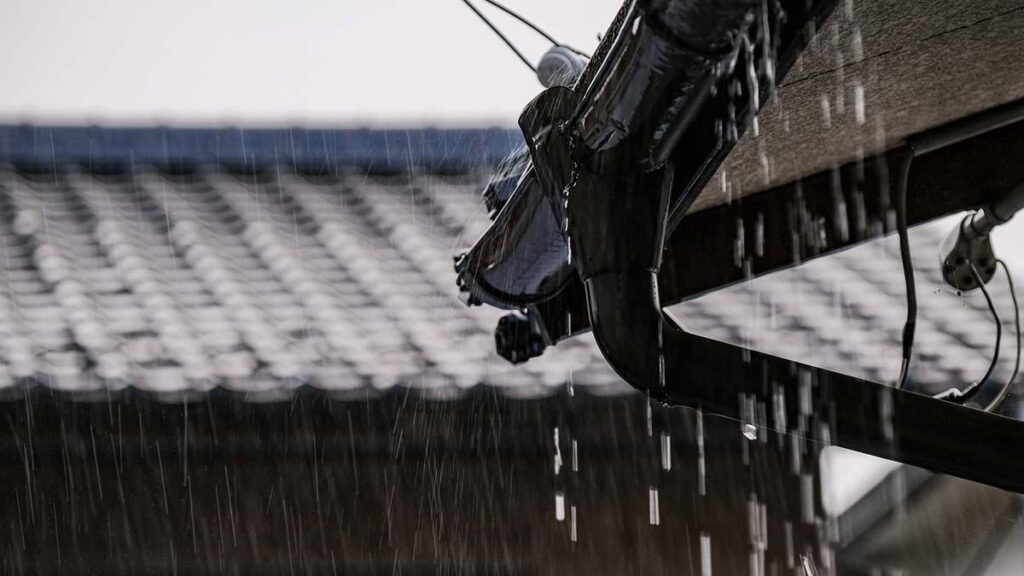
Traditional Japanese house during heavy rain and strong winds as a typhoon passes through the Kansai region.

Is Your Akiya Ready for Typhoon Season?

If you’ve spent a summer in Japan, you’ll know the sound of cicadas is eventually joined by another familiar sight—the swirling typhoon icon on the evening weather forecast. Every year, from July through October, Japan enters typhoon season, with the highest risk usually arriving during August and September. While many storms pass with little more […]

Is Your Akiya Ready for Typhoon Season? Read More »
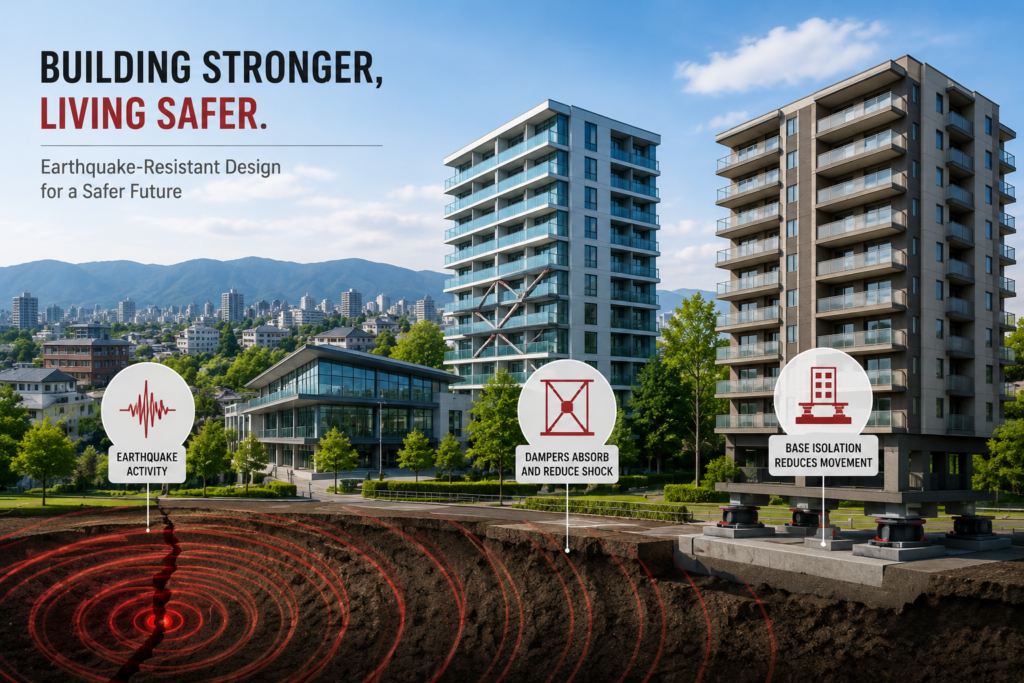
Illustration of earthquake-resistant buildings in Japan showing seismic waves, structural dampers, and base isolation systems designed to reduce earthquake damage.

Why Japan Builds for the Shake: A Look at Japan’s Earthquake Technology

If you own or manage property in Japan, you already know the ground here doesn’t sit still for long. Japan sits at the junction of four tectonic plates — the Pacific, Philippine Sea, Eurasian, and North American — which makes it one of the most seismically active countries on Earth. Since 1900, Japan has recorded

Why Japan Builds for the Shake: A Look at Japan’s Earthquake Technology Read More »

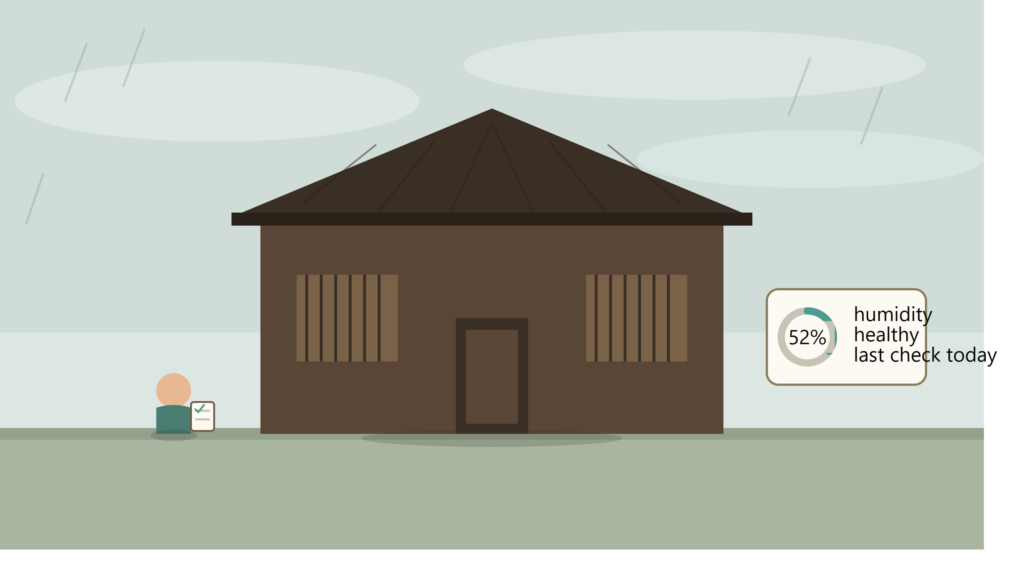
aditional Japanese house exterior with a property manager checking humidity levels during a vacant home inspection

How to Prevent Mold in Vacant Kansai Homes

Japan’s humid subtropical climate makes mold one of the biggest threats to vacant houses and apartments across Kansai. In Kyoto, Osaka, Shiga, Nara, and Kobe, relative humidity regularly climbs above 70–80% during the rainy season (tsuyu) and stays high through summer. When a property sits empty with no one opening windows, running fans, or checking

How to Prevent Mold in Vacant Kansai Homes Read More »

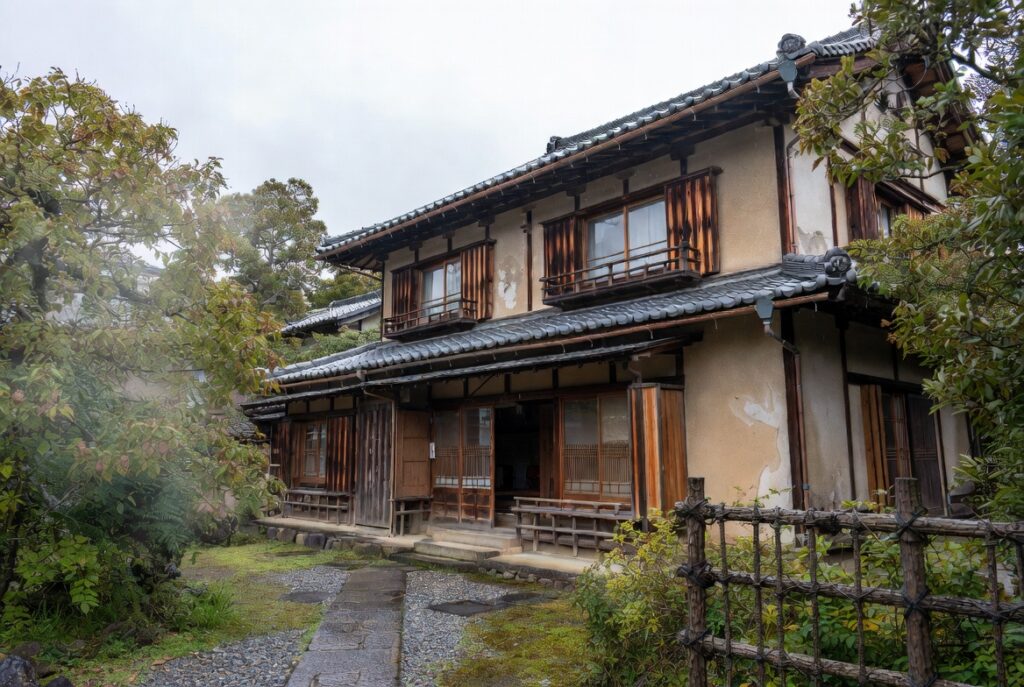
Machiya image

Two Houses a Day: Kyoto Is Quietly Erasing Its Machiya

Walk through central Kyoto today and you’ll still find pockets of the city that look like they belong in another century — narrow wooden townhouses with lattice facades, tucked-away courtyard gardens, and tiled roofs that slope gently over the street. These are machiya, the traditional merchant townhouses that have defined Kyoto’s cityscape for over a

Two Houses a Day: Kyoto Is Quietly Erasing Its Machiya Read More »

img 3712

Why Outdoor Drain Maintenance Matters (Absent Owners)

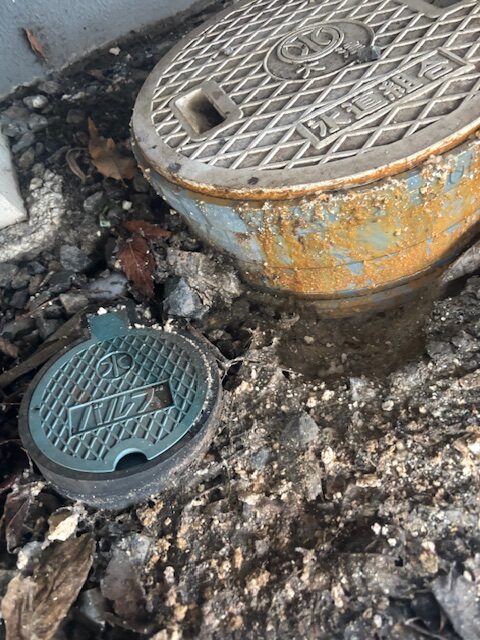
During a recent routine maintenance visit at a house in Shiga, what should have been a quick 10-minute check turned into a full afternoon job. When we ran the pipes, we could hear water flowing outside and smelt sewage. When we found the location of the smell and opened the outdoor drain well, we found

Why Outdoor Drain Maintenance Matters (Absent Owners) Read More »

Rustic and decaying townhouse corner in Toyohashi, Japan, showcasing urban decay.

Kansai Akiya Crisis: Vacant Homes by Prefecture in 2026

Kansai — Osaka, Kyoto, Hyogo, Nara, Wakayama, and Shiga — holds some of Japan’s sharpest contrasts in the akiya story. One prefecture ties for the highest vacancy rate in the entire country, while two others are actually improving. Here’s what the 2023 Housing and Land Survey shows. Kansai by the numbers The region’s six prefectures

Kansai Akiya Crisis: Vacant Homes by Prefecture in 2026 Read More »

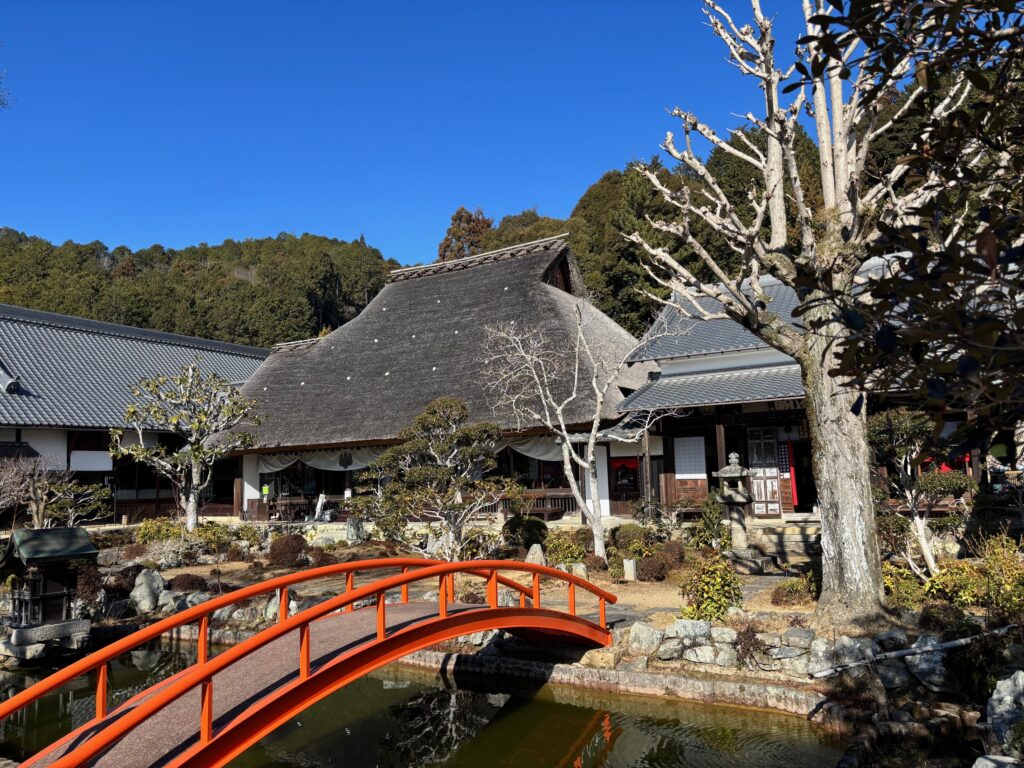
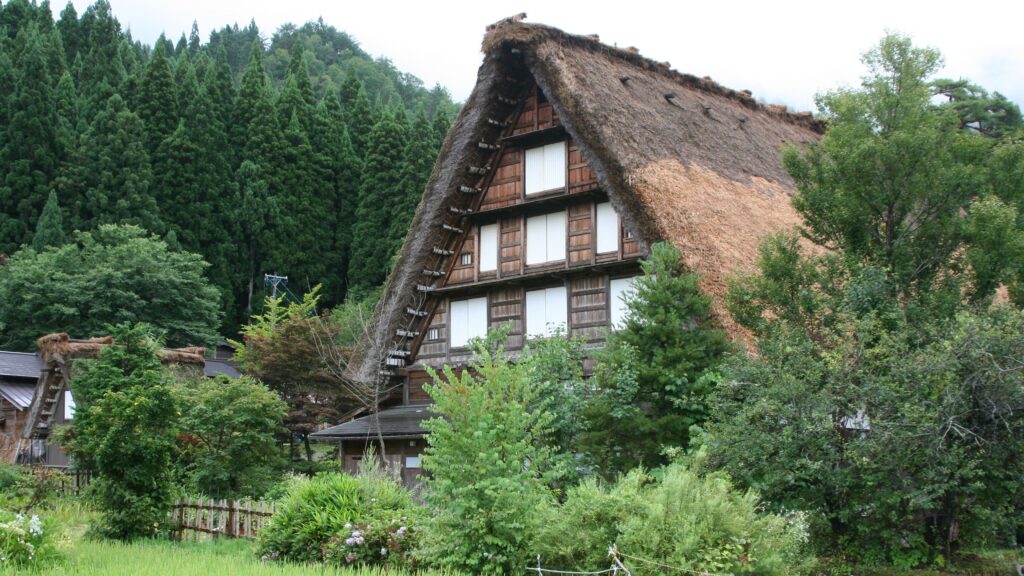
A rustic thatched roof house surrounded by lush greenery in Nanto, Toyama, Japan.

Akiya Explained: Japan’s 9 Million Vacant Homes Decoded

If you’ve read that Japan has “9 million akiya,” you’ve only heard half the story. That number is real, straight from the Ministry of Internal Affairs’ 2023 Housing and Land Survey — but it lumps together four very different kinds of empty homes. Understanding the split changes how alarming (or not) the akiya crisis actually

Akiya Explained: Japan’s 9 Million Vacant Homes Decoded Read More »

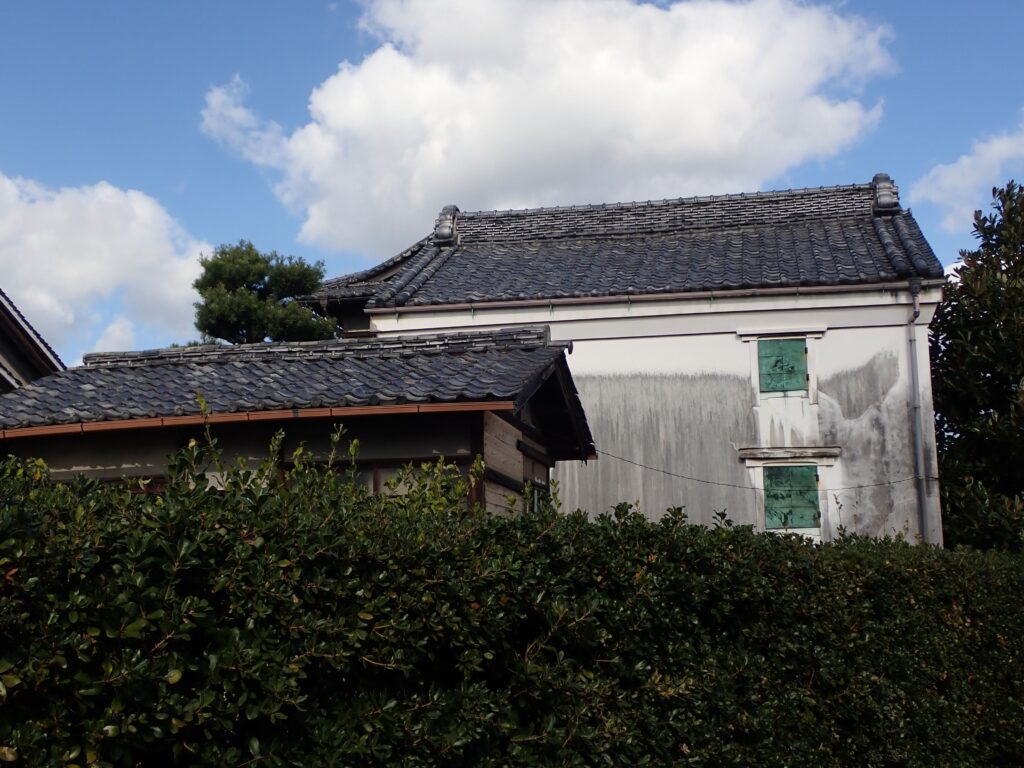
Vintage Japanese house with grey tile roof, set against clear skies, offering cultural charm.

Why Checking for Termites (Shiroari) Is Essential for Akiya Owners in Japan

Owning an akiya (空き家), or vacant house, in Japan comes with many responsibilities. One of the most important things that property owners should regularly check for is termite damage. In Japan, termites are commonly called shiroari (シロアリ), and they can cause serious structural problems if they are left unnoticed for long periods of time. Termites

Why Checking for Termites (Shiroari) Is Essential for Akiya Owners in Japan Read More »