
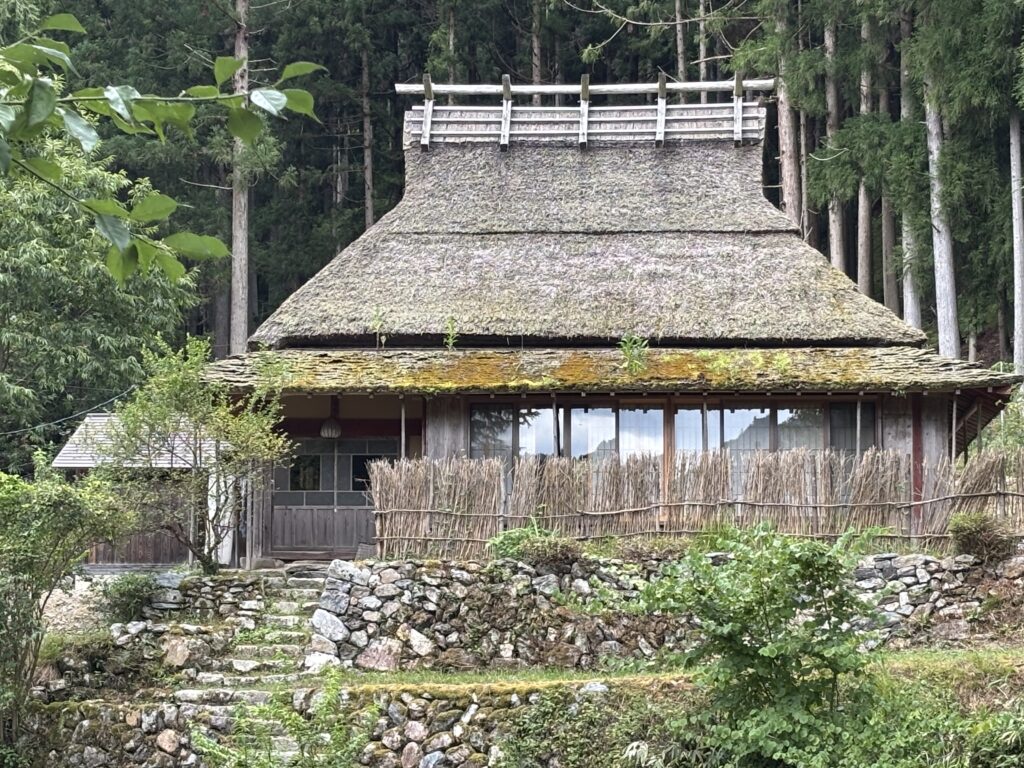
Walk into a machiya that’s been “renovated for guests” and you can usually tell within seconds whether it’s the real thing or a stage set. Fresh tatami and a low table aren’t enough — what gives a room its soul is usually something small: a comb resting by a mirror, a lantern in the entryway, a hibachi tucked in the corner. If you’re preparing a property for authentic machiya/minpaku decor, these are the details that guests notice, photograph, and remember. Here are twelve traditional Japanese household tools worth knowing about — what they are, what they were for, and how they can (carefully) find a place in a guest home today.
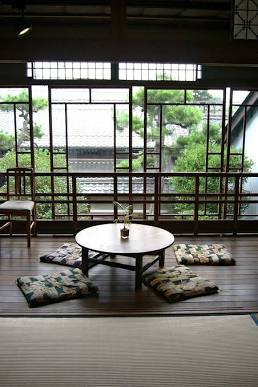
1. Chabudai (ちゃぶ台) — The Low Dining Table
The chabudai is the round or oval folding table that came into Japanese homes in the Meiji era, when Western dining customs started blending with Japanese ones. Families gathered around it on the tatami for every meal — a shift from the old custom of each person eating from their own individual tray. Legs fold flat for easy storage, which made sense in the small housing of the era. A well-worn wooden chabudai in the tatami room instantly signals “real washitsu,” far more than a modern low table ever will.
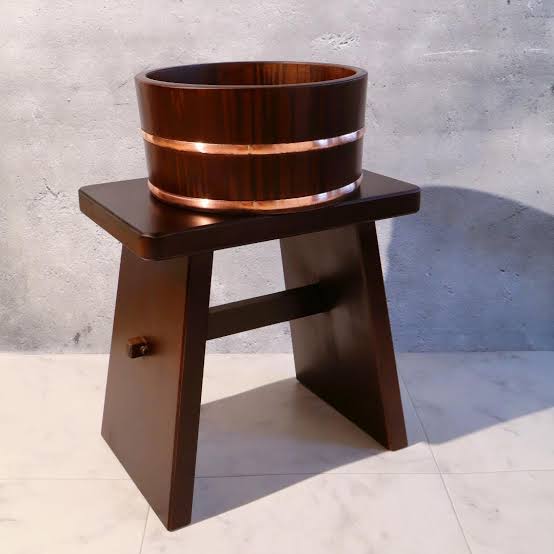
2. Teoke (手つき桶) and Koshikake (腰かけ) — Bath Bucket and Stool
If your property has a traditional ofuro or even just a nice bathroom nook, a wooden teoke (hand-held wash bucket) and koshikake (bath stool) are small, functional pieces that read as instantly genuine. The stool’s low height keeps bathers seated comfortably while they rinse off before entering the soaking tub — a detail worth explaining to overseas guests unfamiliar with Japanese bathing order.
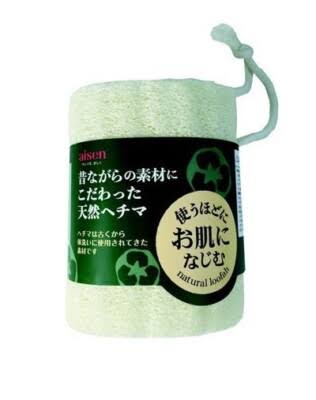
3. Hechima (へちま) — Loofah Sponge
Before synthetic sponges, the dried fibrous interior of the loofah gourd was the everyday body scrub, grown right in the home garden. It’s gentle enough for skin, and a hechima sponge by the bath (alongside a bar of rice-bran soap, if you want to go further) is a low-cost, high-authenticity touch that also happens to be genuinely useful.
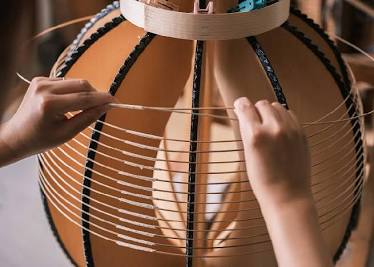
4. Chōchin (ちょうちん) — Paper Lantern
The collapsible paper-and-bamboo lantern was the portable light of choice before electricity — carried at the entrance, hung by the doorway, or lit for festivals. A chōchin at the genkan (entry) or engawa (veranda) does double duty: atmospheric lighting and an immediate visual cue that this is a traditional stay. Just note real antique ones are delicate; many owners opt for a well-made reproduction for guest-facing use.
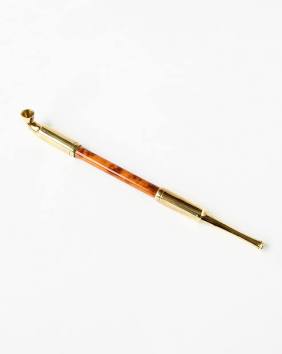
5. Kiseru (煙管) — Tobacco Pipe
The kiseru arrived via Nanban trade in the 16th century and became a fixture of Edo-period life — its long, slender shape reflecting Japanese metalworking skill as much as smoking culture. You won’t want guests actually using one, but a kiseru displayed on a small tray or in a tokonoma alcove alongside a tabako-bon (the box holding the ember pot and ash tray) makes an elegant, conversation-starting still life.
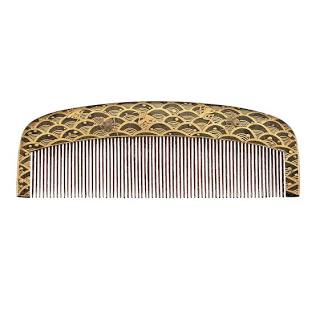
6. Kushi (くし) — Comb
A traditional kushi, hand-carved from a single piece of material with every tooth still connected, was once a woman’s most treasured accessory — used daily for grooming and, in decorative form (kazarigushi, inlaid with lacquer, shell, or coral), worn in the hair. A beautiful comb displayed near a mirror or vanity area adds a personal, human touch that generic decor can’t.
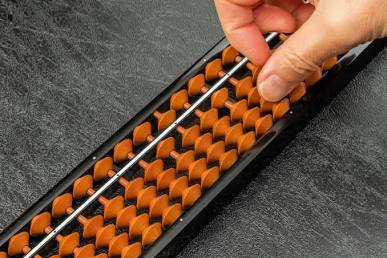
7. Soroban (そろばん) — Abacus
“Reading, writing, and the abacus” was the core of a proper education for centuries, and the soroban remained the standard calculation tool well into the postwar era. Displayed on a shelf or writing desk, it’s an easy, recognizable piece of Japanese material culture — and a nice one to point out to guests who’ve never seen one used.
8. Chiritori (ちり取り) — Dustpan
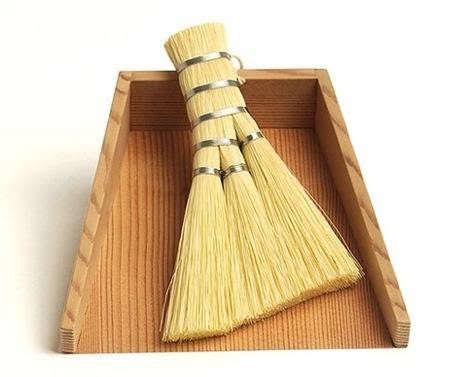
Not every traditional object needs to be decorative-only. A wooden chiritori, paired with a bamboo broom (hōki), is a functional cleaning tool that also happens to look completely at home in a machiya utility corner. It’s proof that “authentic” doesn’t always mean “untouchable” — some of these pieces were built to be used.
9. Geta (下駄) — Wooden Sandals
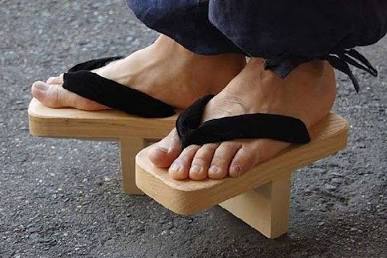
Geta — wooden platforms with fabric thongs (hanao) and two removable teeth (ha) underneath — were everyday footwear built to keep feet clear of mud and rain. A pair by the genkan, sized for guests to actually try on for a quick photo at the door, is one of the most popular authenticity touches we see work well in guest properties. Just keep a spare set of teeth on hand; they wear down and are meant to be replaced.
10. Hibachi (火鉢) — Charcoal Brazier
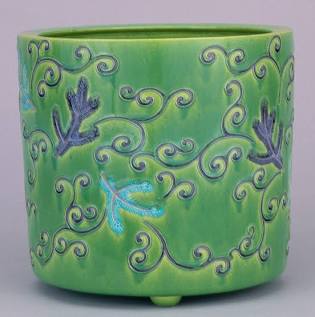
Before central heating, the ceramic or wooden hibachi was where a household gathered to warm their hands, heat water, and grill mochi over glowing charcoal. A large hand-painted ceramic hibachi is a genuinely striking centerpiece for a tatami room — though for a working guest property, most owners display it unlit (charcoal braziers indoors carry real ventilation and carbon monoxide risks) and let it serve as a beautiful, historically accurate prop rather than an active heat source.
11. Masu (升) — Wooden Measuring Box
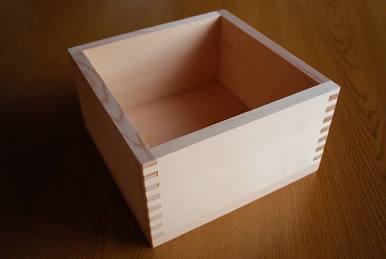
The hinoki masu was the standardized unit for measuring rice and sake before regulated metric measures existed — one gō (合) of rice is still 180cc today because of it. Beyond measuring, masu are traditionally used to drink sake (sometimes with a pinch of salt on the corner) and are still tossed during sumo ring-entering ceremonies and setsubun bean-throwing. A small stack of masu near a sake set is both decorative and a nice bit of trivia for guests.
12. Irori (いろり) — Sunken Hearth
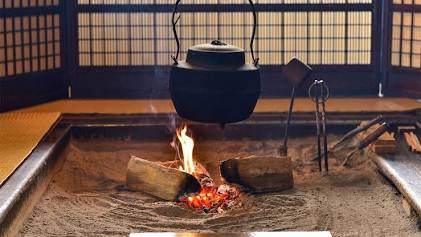
The irori — a square sunken hearth set into the floor — was once the literal center of the traditional Japanese home: the place where meals were cooked, the house was heated, and the family gathered, with seating position around it governed by household hierarchy. Alongside it hung the jizaikagi, an adjustable pothook (often shaped like a fish, a symbol against fire) used to raise and lower pots over the flame, and nearby sat the gotoku (trivet), hibashi (fire tongs), and haiwarashi (ash rake) — the working toolkit of the hearth. A genuine irori is a major renovation, not a decor purchase, but if your property already has one, it’s the single most authentic feature a machiya can offer. If not, a gotoku and hibashi set displayed together still nods to the tradition.
Getting the Balance Right
The goal isn’t to turn a guest property into a museum — it’s to layer in enough real, well-chosen pieces that the space feels lived-in rather than staged. A few well-placed originals (or good reproductions where safety or fragility matters) go much further than filling every surface with props. Start with the entryway and bath area, where guests form their first impressions, and build outward from there.
Need help sourcing, staging, or maintaining a traditional property in the Kansai area? At Property Management Kyoto, we work with foreign and overseas owners to keep machiya and traditional homes both authentic and guest-ready. Get in touch at propertymanagementkyoto.com to talk through your property.
Read More
If you’re an overseas owner managing Japanese property, these guides from Property Management Kyoto may also be useful:
Is Your Akiya Ready for Typhoon Season?
Learn how to prepare a vacant Japanese property for typhoons and what to check after a major storm. Regular inspections can help identify roof damage, leaks, blocked gutters, and other problems before they become expensive repairs.
How Often Should You Inspect an Empty House in Japan?
An empty Japanese house still needs regular attention. Learn why inspection frequency matters and what overseas owners should look for when maintaining a vacant property.
Japan’s Aging Apartment Problem
Japan’s condominium stock is getting older, and changes to the law in 2026 have important implications for owners, management associations, and overseas condominium owners.
Common Areas in Japanese Condominiums: What Owners Don’t Actually Own
Buying a condominium doesn’t mean you own every part of the building. Learn how common areas, balconies, entrance doors, management fees, and building rules affect Japanese condominium owners.
Need Help Managing Your Property in Japan?
Property Management Kyoto helps overseas owners look after Japanese homes, rental properties, condominiums, and vacant properties across the Kansai region.
If you’re not sure what your property management costs should look like, contact us to discuss your property, location, rental situation, and management requirements.