
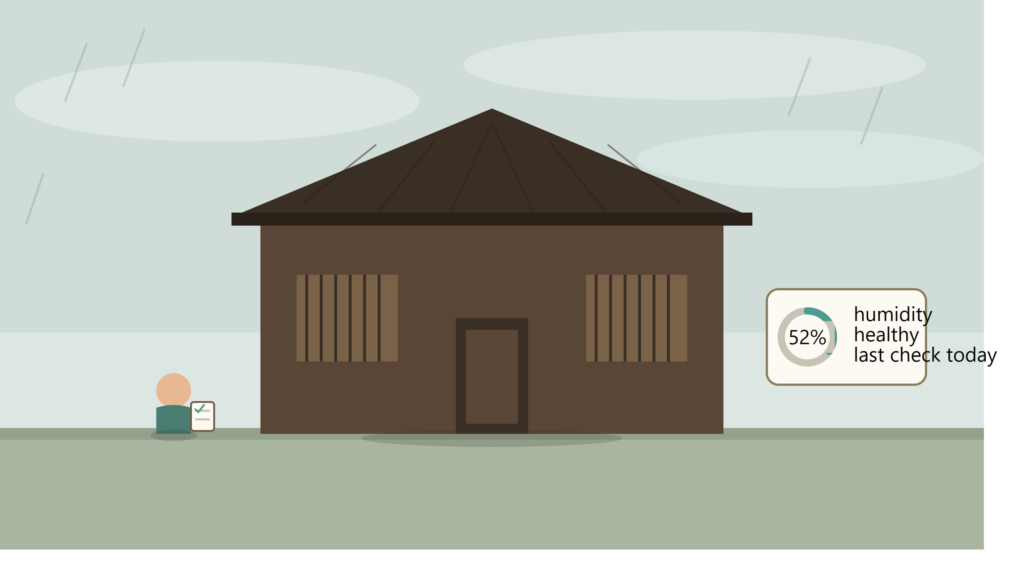
Japan’s humid subtropical climate makes mold one of the biggest threats to vacant houses and apartments across Kansai. In Kyoto, Osaka, Shiga, Nara, and Kobe, relative humidity regularly climbs above 70–80% during the rainy season (tsuyu) and stays high through summer. When a property sits empty with no one opening windows, running fans, or checking for problems, stagnant moist air creates the perfect breeding ground for mold.
For overseas owners and akiya buyers, the damage can appear quickly — black spots on walls, musty smells in closets, soft wood, or ruined tatami. Left unchecked, mold can compromise the building’s structure and lead to expensive remediation bills later.
Here’s a practical guide to keeping mold under control in vacant Kansai homes.
Why vacant homes in Kansai are especially vulnerable
Traditional Japanese construction often prioritizes natural ventilation over heavy insulation. Wooden structures, tatami, and closets (oshiire) readily absorb moisture. In vacant properties:
- Air stops circulating
- Humidity builds up in bathrooms, kitchens, north-facing rooms, and storage spaces
- Temperature differences between inside and outside can cause condensation (including “summer-type” condensation inside walls)
- Dust and organic materials provide food for mold spores, which are always present in the air
Ideal conditions for mold growth are temperatures of 20–30°C and relative humidity above 60%. Kansai summers deliver both for months on end.
1. Keep air moving — ventilation is your first defense
Stagnant air is mold’s best friend. Even when no one lives in the house:
- Open windows on opposite sides of the property for cross-ventilation whenever outdoor humidity is lower (early morning or late evening on drier days). Aim for 10–30 minutes at a time.
- Keep the 24-hour ventilation system (if the house has one) running at all times.
- Run bathroom, kitchen, and toilet exhaust fans periodically, especially after any moisture event.
- Leave closet and oshiire doors slightly open so air can circulate inside.
- Pull furniture a few centimeters away from walls so air can move behind it.
If you cannot visit regularly, this is one of the hardest tasks to manage from overseas.
2. Control humidity actively
Target indoor relative humidity of 40–60% (ideally under 55–60%).
- Place a dehumidifier (or run the air conditioner’s dry/除湿 mode) in the dampest rooms. Units with continuous drainage are ideal for longer vacancies.
- Put moisture absorbers (joshitsuzai — the common gel or calcium chloride containers) in closets, under sinks, shoe cabinets, and storage areas. Replace them regularly.
- Keep an inexpensive digital hygrometer in key rooms so you (or your manager) can track levels.
During peak humidity months, passive measures alone are rarely enough.
3. Reduce “food” for mold and eliminate moisture sources
- Keep the property reasonably clean. Dust, soap residue, and organic debris feed mold.
- Ensure water traps (the U-bends under sinks and in toilets) stay filled so sewer gases and insects cannot enter. Run water in all taps and flush toilets during visits.
- Check for and fix any leaks promptly — roofs, pipes, window frames, or air-conditioner drainage.
- Avoid storing damp items or sealing wet materials inside closed spaces.
- In traditional homes, pay special attention to tatami, wooden floors, and underfloor areas.
4. Seasonal habits that make a difference
- Rainy season and summer: Prioritize dehumidification and short, controlled ventilation. Avoid leaving windows open during heavy rain or very humid days.
- Winter: Watch for condensation on windows and cold surfaces. Wipe it away and maintain some airflow.
- After any typhoon or heavy rain: Inspect for water ingress as soon as possible.
5. What if you already see mold?
Surface mold can often be cleaned with specialized Japanese mold removers available at home centers, followed by thorough drying and improved ventilation. Deep or widespread growth (especially inside walls, under floors, or in structural wood) usually requires professional assessment and treatment. Acting early prevents far more expensive damage.
How Property Management Kyoto helps protect your vacant home
Living overseas makes consistent mold prevention difficult. You cannot open windows every week, empty dehumidifier tanks, or notice the first signs of trouble.
At Property Management Kyoto, we specialize in exactly this kind of care for foreign owners and akiya across Kyoto, Shiga, Osaka, Nara, and Kobe. Our regular visits include:
- Systematic ventilation and airing of the property
- Humidity monitoring and dehumidifier management
- Placement and replacement of moisture absorbers
- Checks of water traps, bathrooms, closets, and high-risk areas
- Photo and video reports in English so you always know the condition of your home
- Early detection and coordination of any needed cleaning or repairs
We act as your local presence on the ground, turning passive ownership into actively protected ownership.
If you own a vacant house or apartment in Kansai and want to stop mold before it becomes a costly problem, book a free consultation with us — a short conversation can give you a clear plan tailored to your property and peace of mind while you are away.