
One of the first questions overseas property owners ask is: “How much will property management actually cost me?”
The answer is more complicated than a single percentage.
Property management fees in Japan vary depending on the property, location, rental income, services provided, and whether the property is occupied or vacant. Overseas owners may also face additional costs for inspections, tax support, international money transfers, repairs, and other services.
This guide explains the typical property management costs in Japan in 2026, including common fees, potential hidden charges, realistic examples, and what foreign and non-resident property owners should look for when comparing management companies.
The Two Main Property Management Fee Models
Most Japanese property management companies use one of two basic fee structures.
1. Percentage of Gross Rent
This is one of the most common arrangements for rental properties.
A typical full-service management fee is around 4–8% of monthly rent, although the exact rate depends on the company and services included.
Some companies offer lighter rent-collection services for around 2–3%, while more comprehensive arrangements can cost more.
For example, if your property rents for ¥120,000 per month and your management company charges 5%, your basic management fee would be:
¥120,000 × 5% = ¥6,000 per month
The important thing is to check what is actually included in that percentage.
A company charging 5% with comprehensive services may ultimately be cheaper than a company charging 3% and adding separate charges for inspections, tenant communication, repairs, and other services.
2. Flat Monthly Fees
Some companies charge a fixed monthly amount rather than a percentage of rent.
A typical range can be around ¥20,000–¥80,000 per property, depending on the services provided.
Flat-fee arrangements can make sense for properties with relatively low rental income or for vacant properties that still require regular management.
For example, paying ¥25,000 per month to manage a ¥50,000 rental may be expensive under a percentage model, but a percentage-based fee may not provide enough revenue for a company to justify regular inspections and support.
For vacant properties, companies may instead offer a monthly or annual inspection package.
Don’t Forget Consumption Tax
Residential rent in Japan is generally exempt from consumption tax, but property management services are generally subject to Japan’s 10% consumption tax.
This means a quoted 5% management fee may actually cost 5.5% once consumption tax is added.
Always check whether the quoted management fee is before or after consumption tax.
Common Property Management Fees in Japan
The monthly management fee is only one part of the total cost of owning and managing Japanese property.
| Fee Type | Typical Cost | When It Applies |
|---|---|---|
| Monthly management fee | 4–8% of rent | Ongoing rental management |
| Flat management fee | ¥20,000–¥80,000/month | Alternative to percentage model |
| Tenant placement | Around 1 month’s rent | When a new tenant is found |
| Lease renewal | ¥30,000–¥100,000 | Depending on the lease and company |
| Maintenance markup | Often 10–20% | When the manager arranges repairs |
| Major renovation management | Around 5–15% of project cost | Larger renovation projects |
| Setup/onboarding | ¥50,000–¥200,000 | When starting management |
| Tax support | Varies significantly | When using a tax accountant |
| International remittance | Bank and exchange fees | When sending rental income overseas |
| Vacancy management | Flat fee or reduced management fee | When the property is empty |
| Emergency call-out | Varies | After-hours or emergency visits |
These are general ranges rather than fixed national prices. Always request a written fee schedule before signing a management agreement.
Realistic Property Management Cost Examples
Example 1: Tokyo Apartment Renting for ¥120,000
Suppose you own a one-bedroom apartment in Tokyo that rents for ¥120,000 per month.
At a 5% management fee:
- Monthly management fee: ¥6,000
- Consumption tax on management fee: ¥600
- Total monthly management cost: ¥6,600
- Annual management cost: ¥79,200
This does not include tenant placement fees, repairs, condominium fees, property taxes, insurance, or tax-accounting services.
If a new tenant is found every few years and the company charges a tenant placement fee of one month’s rent, that would be an additional ¥120,000 when applicable.
Example 2: Regional Property Renting for ¥60,000
Now consider a property in a regional area renting for ¥60,000 per month.
At 5%:
- Monthly management fee: ¥3,000
- Consumption tax: ¥300
- Total: ¥3,300 per month
- Annual total: ¥39,600
At this rental level, a flat management fee of ¥25,000–¥35,000 per month would be considerably more expensive than a percentage-based arrangement.
However, a local property manager may still need to charge a minimum fee if the rental income is too low to make full management economically viable.
This is one reason why owners of lower-value properties should compare the total package rather than simply looking for the lowest percentage.
Example 3: Vacant Akiya or Second Home
A vacant property is different because there may be no rental income to calculate a percentage from.
Instead, a company may charge a monthly inspection fee or annual management package.
A vacant-home service might include:
- Regular property inspections
- Ventilation
- Checking for leaks
- Mould checks
- Pest checks
- Mail collection
- Garden checks
- Photographing the property
- Checking for storm or typhoon damage
Depending on the location and services required, a vacant property may cost around ¥10,000–¥20,000 or more per month to inspect and maintain.
For an overseas owner, this can be money well spent.
A small leak or mould problem that is discovered during a regular inspection can be much cheaper to deal with than the same problem discovered after six months.
Hidden or Easily Overlooked Costs
The headline management percentage doesn’t tell you the whole story.
Vacancy Charges
What happens when your property is empty?
Some companies stop charging their percentage-based management fee. Others charge a reduced fee, minimum monthly fee, or fixed vacancy-management fee.
Ask this question before signing:
“What will I pay if the property is vacant for six months?”
The answer can make a significant difference to your overall cost.
Maintenance Markups
Property managers often coordinate repairs with local contractors.
Some companies charge an additional management fee or markup on contractor invoices.
A 10–20% markup is not necessarily unreasonable if the company is handling contractor selection, scheduling, access, quality control, and payment.
However, you should know exactly what you are paying.
Ask whether you will receive the original contractor invoice and whether the company adds a percentage to the cost.
Condominium Management Fees
If you own a condominium, your property management fee is separate from the building’s own management costs.
You may still have to pay:
- 管理費 (kanri-hi) — management fees
- 修繕積立金 (shūzen tsumitate-kin) — repair reserve contributions
- Parking fees, where applicable
- Other building-related charges
These costs normally continue even when your apartment is vacant.
If you are considering buying a Japanese condominium, understanding the building’s management fees and repair reserve is essential before you purchase.
International Money Transfers
Overseas owners who receive rental income in Japan may eventually want to transfer that money to an overseas bank account.
This can involve:
- Japanese bank transfer fees
- Receiving-bank fees
- Correspondent-bank fees
- Foreign-exchange costs
- Currency conversion spreads
The cheapest-looking transfer method isn’t necessarily the cheapest overall.
Ask your property manager how rental income will be transferred and whether they charge an additional fee for arranging international remittances.
Tax Representative and Domestic Contact Services
Non-resident owners may need assistance with Japanese tax administration and domestic contact arrangements.
Some property managers include these services in their management package. Others charge separately.
The cost can vary significantly depending on whether the company is simply providing a local contact or coordinating more complex tax and administrative work with a tax accountant.
Emergency Visits
A routine inspection and an emergency call-out are not necessarily the same service.
If a tenant reports a leak at 10 p.m. on a Sunday, someone may need to visit the property immediately.
Ask whether emergency visits are included in your monthly fee and, if not, what the call-out charge will be.
What Determines the Cost of Property Management?
Several factors can influence how much you pay.
Property Type
A modern condominium is generally easier to manage than an old detached house.
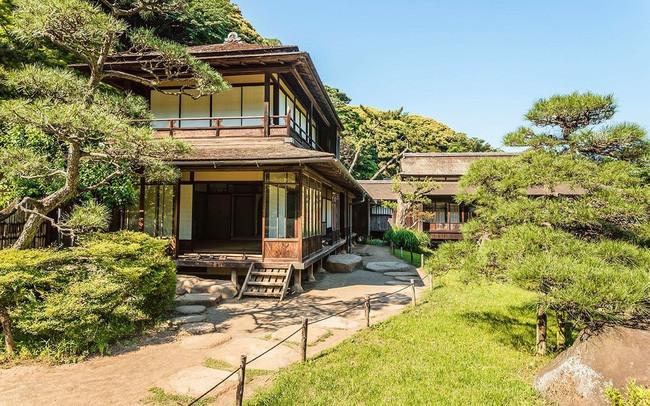
A traditional Japanese home may require more frequent inspections, garden maintenance, ventilation, pest checks, and contractor coordination.
Location
Properties in central Tokyo, Kyoto, and Osaka may have strong rental demand but can also involve higher contractor and service costs.
A rural property may have lower operating costs but can be more difficult to manage if reliable contractors are located far away.
Property Condition
An older property requiring regular repairs will generally cost more to manage than a modern property in good condition.
This is particularly important for akiya owners.
Occupancy
A rented property and a vacant property require different management services.
A rented property may require tenant communication and rent collection, while a vacant property may require regular physical inspections and preventative maintenance.
Overseas Ownership
Managing a foreign owner’s property can require additional communication, international transfers, documentation, and coordination with tax professionals.
Some companies charge more for overseas clients because the management requirements are different.
How to Keep Property Management Costs Under Control
You don’t necessarily need to choose the cheapest management company to keep costs under control.
Instead, focus on the total cost of management.
1. Compare at Least Two or Three Companies
Get written quotes from companies that regularly work with overseas owners.
Compare the actual services rather than simply comparing the percentage.
2. Ask About Vacancy Fees
This is especially important if your property is currently vacant or may become vacant.
Find out exactly what you will pay during periods with no rental income.
3. Ask About Repair Markups
Find out whether the manager adds a percentage to contractor invoices.
Also ask whether you will receive photographs, estimates, and copies of invoices for significant repairs.
4. Confirm Consumption Tax
Ask whether the advertised management fee includes Japan’s 10% consumption tax.
A quoted 5% fee and an actual cost of 5.5% can look very different when calculated over many years.
5. Consider Different Management Levels
You may not need the same service all year.
For example, you might use full tenant management while a property is occupied and switch to a lighter inspection and maintenance package during a vacancy.
6. Look at the Total Cost
A company charging 6% may ultimately be better value than one charging 4% if it provides better tenant management, faster maintenance response, clearer reporting, and fewer additional charges.
For overseas owners, reliability can be worth much more than a small difference in the monthly management fee.
Is Guaranteed Rent or Subleasing Worth Considering?
Some Japanese property owners choose a sublease or guaranteed-rent arrangement instead of traditional property management.
Under this type of arrangement, the company leases the property from the owner and then rents it to a tenant.
The company may guarantee a fixed monthly payment even if the property is temporarily vacant.
The trade-off is that the guaranteed rent is generally below the property’s potential market rent.
For example, a company might offer 80–90% of expected market rent in exchange for taking on some of the vacancy risk.
This can provide predictable income, but it is important to read the contract carefully.
Pay particular attention to:
- How long the guaranteed rent lasts
- Whether the rent can be reduced
- Renewal conditions
- Maintenance responsibilities
- Termination conditions
- What happens if the property becomes difficult to rent
Guaranteed rent is not necessarily better or worse than traditional property management. It is simply a different way of managing the risk.
What Should Foreign Property Owners Budget For?
For a standard rental condominium, a reasonable starting point is to budget around 4–6% of gross rental income for ongoing property management, plus consumption tax and additional services where applicable.
For a property renting for ¥100,000–¥150,000 per month, that could mean approximately ¥4,000–¥9,000 per month before tax and additional costs.
However, your real annual cost may also include:
- Tenant placement
- Lease renewals
- Repairs
- Property inspections
- Condominium management fees
- Repair reserve contributions
- Property taxes
- Insurance
- Tax-accounting services
- International money transfers
For a vacant home or akiya, the cost structure can be completely different because there is no rental income from which to calculate a percentage.
This is why overseas owners should ask for a complete annual cost estimate rather than simply asking, “What percentage do you charge?”
Property Management Costs in Kyoto and Kansai
At Property Management Kyoto, we understand that property management in Kansai is not one-size-fits-all.
We work with the reality of properties across Kyoto, Shiga, Osaka, Nara, Kobe, and the surrounding Kansai region.
A modern rental apartment may need straightforward tenant and maintenance management.
An older Kyoto home may require more frequent inspections and coordination with local contractors.
A vacant property around Lake Biwa may need regular ventilation, humidity checks, garden maintenance, and inspections following heavy rain or typhoons.
For overseas owners, our focus is on making sure there is someone on the ground in Japan who can keep an eye on the property and report problems before they become major expenses.
Our services can include vacant-home inspections, property checks, maintenance coordination, storm and typhoon inspections, photographs and reporting, and other property support depending on your needs.
If you own a property in Kyoto, Shiga, Osaka, Nara, Kobe, or elsewhere in Kansai, contact Property Management Kyoto to discuss what level of management and inspection would make sense for your property.
Final Thoughts
The biggest mistake an overseas property owner can make is choosing a property manager based solely on the lowest percentage.
A 3% management fee may look attractive, but if it comes with additional charges for inspections, repairs, tenant communication, emergency visits, and reporting, the final cost may be much higher.
Instead, look at the complete management package.
Ask what is included, what costs extra, what happens when the property is vacant, how repairs are handled, and how you will receive reports.
Most importantly, choose a company that understands the particular challenges of managing Japanese property for someone who lives overseas.
Your property may be thousands of kilometres away, but the right local management arrangement means you don’t have to manage it alone.
If you own a property in Kyoto, Shiga, Osaka, Nara, Kobe, or the surrounding Kansai region, Property Management Kyoto can help you understand what your property actually needs and build a management or inspection plan around it.
Read More
If you’re an overseas owner managing Japanese property, these guides from Property Management Kyoto may also be useful:
Is Your Akiya Ready for Typhoon Season?
Learn how to prepare a vacant Japanese property for typhoons and what to check after a major storm. Regular inspections can help identify roof damage, leaks, blocked gutters, and other problems before they become expensive repairs.
How Often Should You Inspect an Empty House in Japan?
An empty Japanese house still needs regular attention. Learn why inspection frequency matters and what overseas owners should look for when maintaining a vacant property.
Japan’s Aging Apartment Problem
Japan’s condominium stock is getting older, and changes to the law in 2026 have important implications for owners, management associations, and overseas condominium owners.
Common Areas in Japanese Condominiums: What Owners Don’t Actually Own
Buying a condominium doesn’t mean you own every part of the building. Learn how common areas, balconies, entrance doors, management fees, and building rules affect Japanese condominium owners.
Need Help Managing Your Property in Japan?
Property Management Kyoto helps overseas owners look after Japanese homes, rental properties, condominiums, and vacant properties across the Kansai region.
If you’re not sure what your property management costs should look like, contact us to discuss your property, location, rental situation, and management requirements.