
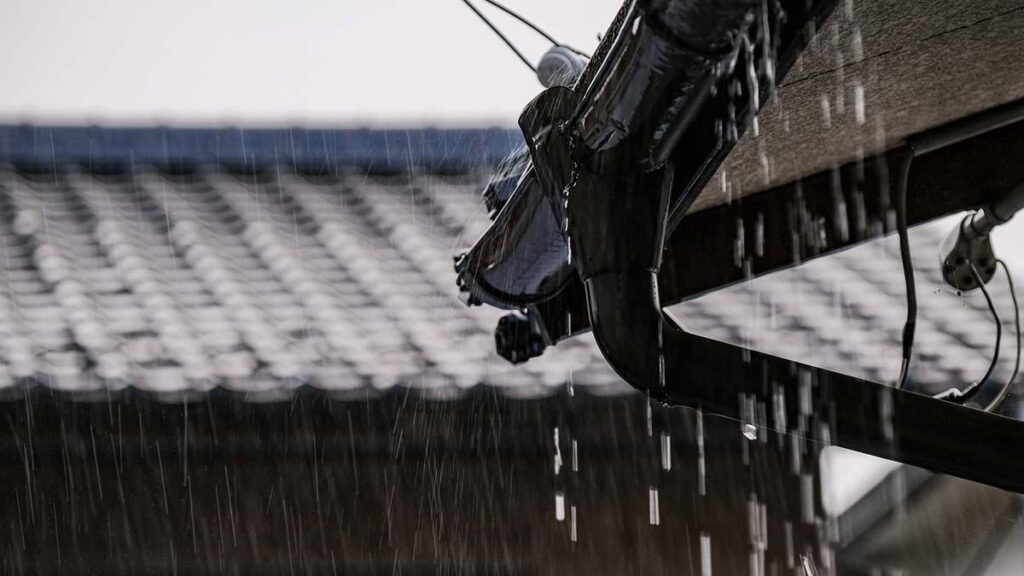
If you’ve spent a summer in Japan, you’ll know the sound of cicadas is eventually joined by another familiar sight—the swirling typhoon icon on the evening weather forecast.
Every year, from July through October, Japan enters typhoon season, with the highest risk usually arriving during August and September. While many storms pass with little more than heavy rain, others bring damaging winds, flooding, landslides, and flying debris. As of August 7, 2026, Typhoon 15 is making its way towards Honshu, the main island of Japan.
For homeowners living in Japan, preparing for a typhoon is part of everyday life. But what if your property sits vacant for weeks or even months at a time?
A single loose roof tile or blocked gutter can allow water into a home. Left unnoticed, that small leak can quietly become mould, rotten timber, damaged ceilings, and expensive repairs before anyone even realizes there was a problem.
The good news? A little preparation goes a very long way.
A Quick Fact First
Japan experiences around 25–30 named tropical storms and typhoons every year, although only a handful make landfall. Kansai is generally less exposed than Okinawa or Kyushu, but strong storms still regularly affect Kyoto, Shiga, Osaka, Nara, Hyogo, and the Lake Biwa region.
Older Japanese homes—especially traditional wooden houses and akiya—can be particularly vulnerable if they have ageing roof tiles, clogged drainage, or have been sitting empty for long periods.
Before the Storms Even Start
The best time to prepare for a typhoon is before the weather forecast starts showing one.
One of the first things worth checking is the roof. You don’t need to climb onto it—in fact, it’s safer not to. Simply looking from the ground (or having someone inspect it professionally) can reveal loose or missing roof tiles, damaged ridge caps, or anything that appears out of place.
Gutters deserve just as much attention. During heavy rain, blocked gutters quickly overflow, allowing water to run down exterior walls or collect around the foundation. A simple cleaning every year can prevent thousands of dollars’ worth of water damage.
Around the property, take a slow walk through the garden and ask yourself one question:
“Could this become airborne in strong winds?”
Plant pots, bicycles, outdoor furniture, ladders, garden tools, loose timber, and even children’s toys have all been known to become dangerous projectiles during powerful storms.
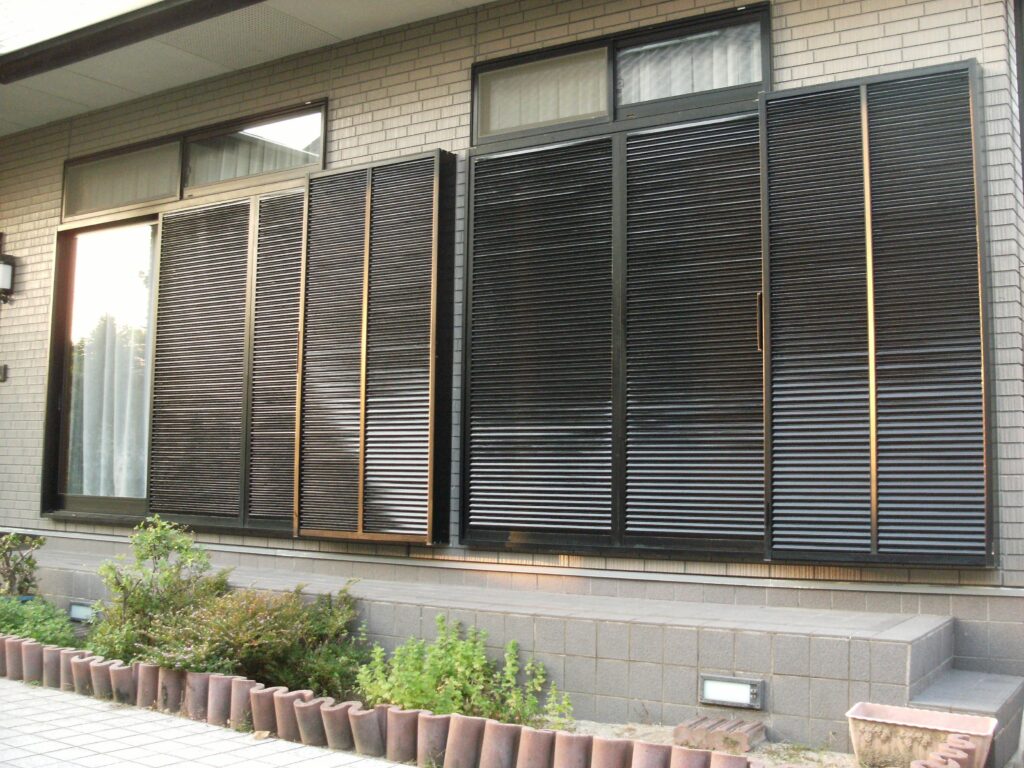
It’s also worth checking windows, doors, and traditional storm shutters (雨戸・amado). Good seals help keep wind-driven rain outside where it belongs.
Finally, make sure you understand exactly what your insurance covers. Wind damage, flooding, and fallen trees aren’t always treated the same way, and having “before” photos of your property can make any future insurance claim much smoother. Inspecting roof tiles and clearing gutters before the rainy season can help prevent expensive water damage.
Once a Typhoon Is Headed Your Way
Once a typhoon is forecast to approach your area, preparation shifts from maintenance to protection.
Bring inside anything that could blow away, securely close all windows and shutters, and make one last check that drains and gutters remain clear.
If your property is vacant, this is where having a trusted local contact becomes invaluable.
A quick visit to take photographs of the outside of the home before the storm provides an excellent record should damage occur later. Those photos often become some of the most useful documents when dealing with insurance companies.
If you live overseas, now is also the time to confirm how you’ll receive updates. Having a clear communication plan with whoever looks after your property can save a great deal of stress while the storm is passing.
While the Storm Is Happening
This part is actually very simple.
Stay away.
No inspection is worth risking someone’s safety.
Every year, injuries occur because people attempt to repair roofs, retrieve blown-away belongings, or investigate leaks while the typhoon is still active.
Instead, monitor updates from the Japan Meteorological Agency (JMA) and local authorities, wait until the storm has completely passed, and only inspect the property once officials advise that it is safe to do so.
The Damage You Don’t See Right Away
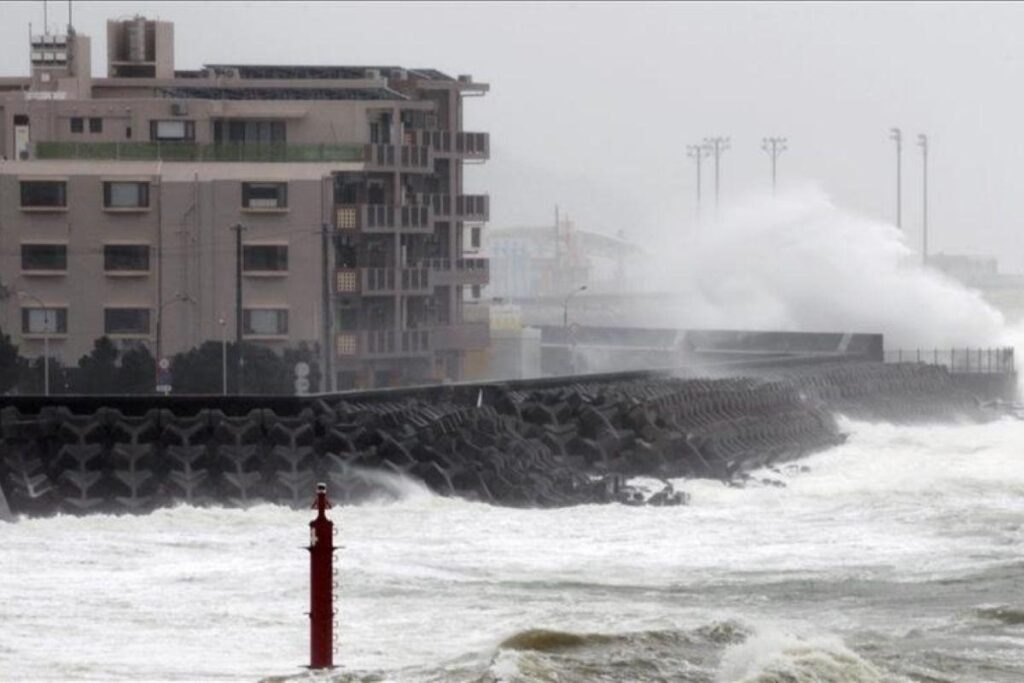
Many people imagine dramatic scenes—missing roofs or shattered windows—but the most expensive typhoon damage is often surprisingly quiet.
A tiny crack in a roof tile may allow rainwater into the attic.
A blocked gutter may slowly soak an exterior wall.
A damaged window seal might allow moisture to creep into a tatami room.
Weeks later, mould begins to grow, timber starts to rot, and repair costs climb.
That’s why a post-typhoon inspection is one of the smartest investments a vacant property owner can make.
What to Check For Afterward
Start outside.
Check for missing roof tiles, damaged gutters, cracked walls, broken windows, leaning fences, fallen branches, standing water, and anything that wasn’t there before the storm.
Then move indoors.
Look for fresh water stains on ceilings, damp walls, wet flooring around doors or windows, and any unusual smell of moisture. Vacant houses don’t air themselves out, so even a small leak can quickly create ideal conditions for mould.
If you discover damage, take photographs from several angles, record the inspection date, and contact your insurance company as soon as possible.
The Problems We See Most Often in Kansai
After severe weather, some of the most common issues affecting vacant homes include:
- Broken or displaced roof tiles
- Blocked gutters overflowing into the walls
- Water entering through ageing window seals
- Fallen bamboo or tree branches
- Damp tatami rooms
- Mould developing several weeks after a storm
- Shifted ridge tiles on older homes
- Garden debris blocking drainage
- Moisture building up inside closed houses
None of these problems are unusual—but catching them early makes all the difference.
Your Best Early Warning System? Your Neighbours
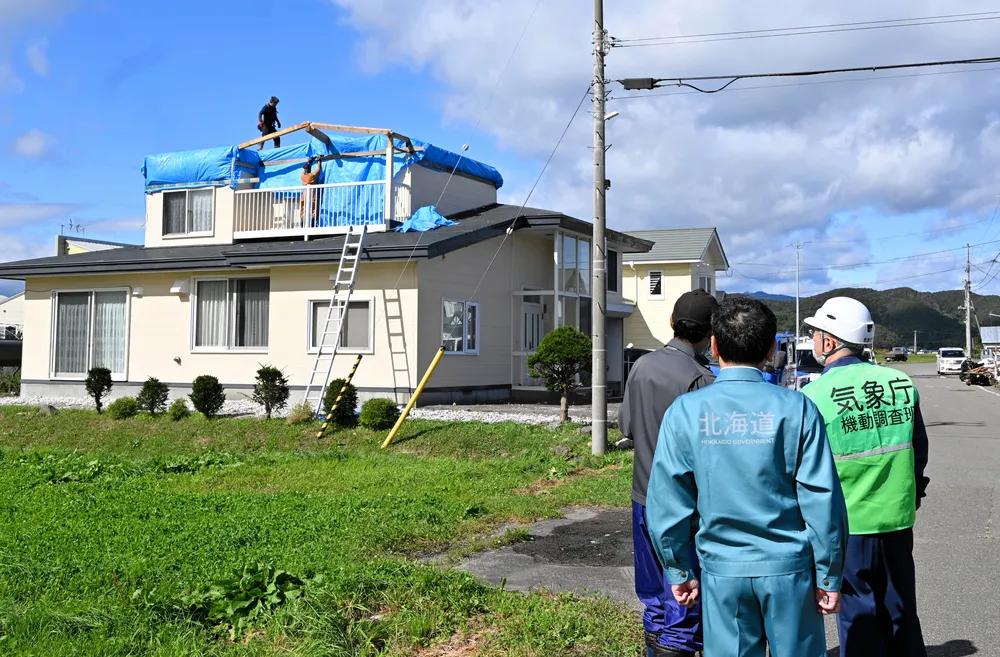
One of the best early warning systems in Japan isn’t technology—it’s your neighbours.
Neighbours are often the first people to notice a fallen roof tile, broken fence, or tree branch across your driveway.
If your home sits vacant for much of the year, introducing yourself—or your property manager—to nearby residents can be incredibly valuable. A simple phone call saying, “I think something happened to your roof,” can prevent a minor repair from becoming a major renovation.
Living Overseas? We’ve Got You Covered
Looking after a property from overseas isn’t easy, especially when severe weather is involved.
At Property Management Kyoto, we help overseas homeowners throughout Kyoto, Shiga, Osaka, Nara, Kobe, and the surrounding Kansai region keep an eye on their vacant properties.
Our regular inspection services can identify developing issues before typhoon season, while post-storm visits allow us to document any damage with detailed photographs and provide prompt updates so you can arrange repairs before problems become worse.
If you’re new to our services, you can also learn more about how we help protect vacant homes throughout Kansai, explore our other articles on maintaining Japanese properties, or contact us to discuss a property inspection plan that suits your needs.
Wrapping Up
Typhoons are simply part of life in Japan.
Most pass with little more than a day of heavy rain, but every season brings a few storms capable of causing significant damage—particularly to homes that have been left unattended.
Preparing before the season begins, checking the property after major storms, and acting quickly when small problems appear are some of the simplest ways to protect your investment.
After all, it’s much better to discover a missing roof tile the day after a storm than six months later when mould has already moved in.
Stay safe this typhoon season—and if your home is waiting for you here in Japan, make sure someone is keeping an eye on it.