
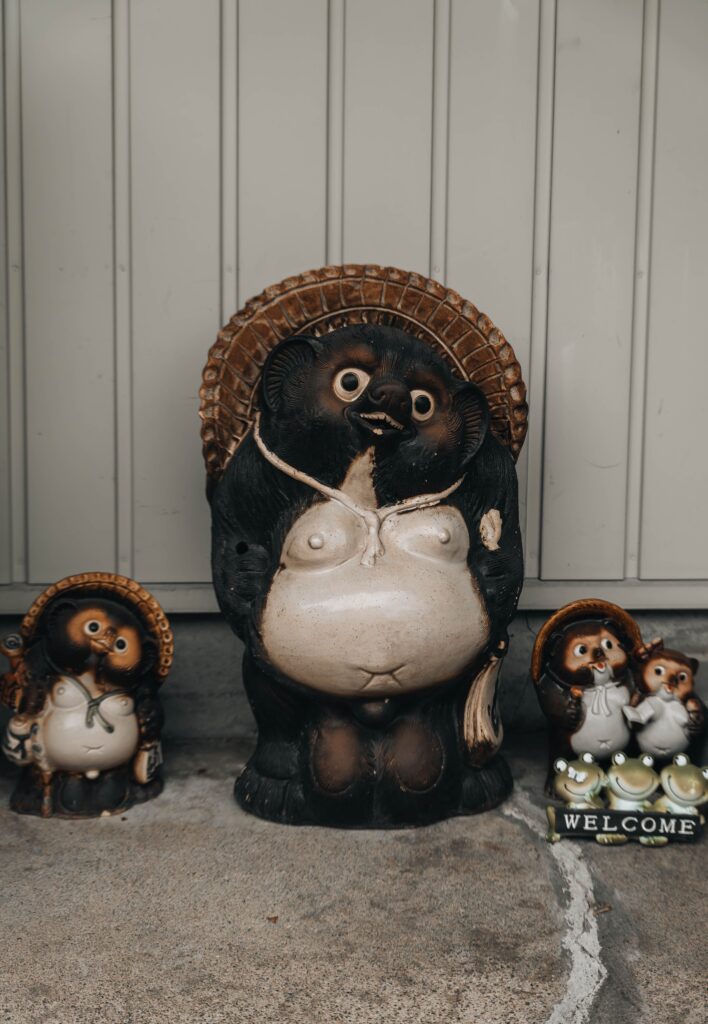
If you own a house in Kansai, there is one important piece of property maintenance equipment you may have overlooked: a large ceramic raccoon dog standing proudly outside your front door.
A roof inspection is important, keeping the gutters clear is sensible, and maintaining the garden is essential. But if your Japanese home is missing a Shigaraki tanuki (信楽たぬき), perhaps your property is not quite complete.
These cheerful ceramic figures are one of the most recognizable symbols of Shiga Prefecture. They are traditionally associated with good fortune, prosperity and protection, and can be found outside homes, restaurants, shops and businesses throughout Japan.
For owners of property in Kansai, particularly Kyoto and Shiga, a Shigaraki tanuki is also a fun way to connect your home with the culture and traditions of the region.
What Is a Shigaraki Tanuki?
A Shigaraki tanuki is a ceramic raccoon dog produced in Shigaraki, an area of Koka City in southern Shiga Prefecture. Shigaraki is famous for Shigaraki-yaki (信楽焼), one of Japan’s Six Ancient Kilns, with a pottery tradition that stretches back more than a thousand years.
The tanuki became particularly associated with Shigaraki during the modern development of ceramic production, and today enormous numbers of tanuki statues are produced there in a remarkable variety of sizes.
If you visit Shigaraki, you will quickly understand just how important these characters are to the local landscape. They stand outside businesses and homes, line roads and appear in pottery shops, with their distinctive hats, large bellies and mischievous expressions making them almost impossible to miss.
Why Are Tanuki Considered Lucky?
The traditional Shigaraki tanuki is more than simply a decorative garden ornament. Its appearance incorporates a collection of symbols associated with good fortune, known as hassō engi (八相縁起), or the eight auspicious aspects.
Interestingly, the Japanese word tanuki has also been connected with the expression 他抜き (tanuki), which can be interpreted as getting ahead of others or outdoing the competition. This association helped establish the tanuki as a popular symbol of success and prosperity.
Even if you are not particularly superstitious, the symbolism makes the figure an entertaining addition to a Japanese property.
The Eight Fortunes of the Shigaraki Tanuki
Take a closer look at a traditional tanuki and you will notice that almost every part of its appearance has a meaning.
The Hat Represents Protection
The tanuki’s oversized hat symbolizes protection from unexpected trouble and encourages people to be prepared for misfortune.
For a property owner, this is surprisingly appropriate. Japan experiences typhoons, heavy rainfall, earthquakes and other weather events, so being prepared is an important part of looking after a house.
Of course, the tanuki cannot actually protect your roof from a typhoon. That still requires a proper inspection.
The Large Eyes Represent Awareness
Those enormous eyes represent the ability to observe your surroundings and make good decisions.
That is excellent advice for anyone responsible for an empty Japanese property. A small roof leak, patch of mold or broken window can be easy to overlook, yet discovering the problem early can make the difference between a minor repair and a much larger expense.
Perhaps the tanuki is telling us to pay attention.
The Friendly Expression Represents Good Relationships
The tanuki’s cheerful smile represents friendliness and positive relationships.
This is particularly relevant in Japan, where maintaining good relationships with neighbours can be important, especially in smaller communities. Keeping your garden under control, dealing with exterior problems and making sure your property does not become a nuisance are all good ways to remain a considerate neighbour.
The smiling tanuki certainly helps with the atmosphere.
The Sake Bottle Represents Plenty
The bottle carried by the tanuki represents virtue and having enough food and drink.
For a modern property owner, you could perhaps interpret this as a reminder to make sure the house is ready for you when you arrive. Whether that means functioning utilities, a clean kitchen or simply a well-stocked refrigerator is entirely up to you.
The Account Book Represents Trust
The tanuki’s account book represents trust, credit and good business relationships, which makes this one particularly appropriate for property owners who rely on other people to look after their homes.
If you live overseas, you may depend on contractors, neighbours, cleaners or a property manager to deal with your Japanese property while you are away. Having people you can trust is essential when you cannot simply visit the house yourself.
The Big Belly Represents Calmness
The tanuki’s large belly symbolizes calmness, confidence and the ability to make sensible decisions.
Anyone who has owned an older Japanese house will appreciate this symbolism. Finding a leaking roof or discovering that the garden has become completely overgrown can be stressful, but calmly assessing the problem and dealing with it before it gets worse is usually the best approach.
The Money Bag Represents Prosperity
The tanuki’s money bag represents financial good fortune and prosperity.
While a ceramic statue is unlikely to increase the value of your property by itself, it is a pleasant reminder that a house is an asset worth looking after. Regular maintenance and preventative repairs can protect that investment far more effectively than relying on luck alone.
The Large Tail Represents Stability
Finally, the tanuki’s large tail represents stability and bringing things to a successful conclusion.
For property owners, this is perhaps the simplest lesson of all: if something needs fixing, finish the job. Leaving a small repair unresolved because it seems unimportant can eventually create a much larger problem.
Why Put One Outside Your Kansai Home?
There is no practical requirement to own a tanuki, of course. Your insurance company will not ask about one, and your local government certainly won’t issue a fine if your garden is tanuki-free.
However, a Shigaraki tanuki can be a wonderful addition to a traditional Japanese house, akiya, machiya, second home or country property. It brings a little local character to the garden while connecting the property to one of Shiga’s most recognizable cultural traditions.
And if it happens to bring a little good fortune with it, even better.
Shigaraki Is Right Here in Shiga
For property owners around Lake Biwa and throughout Kansai, Shigaraki is also an accessible reminder that Japanese culture is often deeply connected to the places where we live.
Visiting the pottery workshops and seeing the enormous variety of Shigaraki-yaki is an experience in itself, while choosing a tanuki directly from a local pottery maker can make the statue feel like something more meaningful than a generic souvenir.
The Real Lesson From the Tanuki
Perhaps the most entertaining thing about the Shigaraki tanuki is that its traditional symbolism actually contains some good advice for property owners: prepare for problems, pay attention, build trust, protect your finances and take care of what you own.
Those principles are just as relevant to an overseas property owner as they were when these cheerful ceramic figures first became popular.
Your tanuki can provide the good luck. Someone still needs to check the roof.
Final Thoughts
A Shigaraki tanuki may not be an essential part of owning a home in Kansai, but it is certainly one of the most enjoyable. For homeowners in Kyoto, Shiga and elsewhere in the region, it offers a connection to local history, traditional pottery and the Japanese idea of welcoming good fortune into the home.
If you own a property in Japan from overseas, however, good luck should never be your only maintenance strategy. Regular inspections, garden care, ventilation and prompt repairs are what actually keep a vacant property in good condition.
Need Help Looking After Your Kansai Property?
Property Management Kyoto helps overseas owners look after houses, akiya and second homes across Kyoto, Shiga and the wider Kansai region. We can help with regular property inspections, seasonal checks, maintenance and coordinating repairs when you cannot be there yourself.
Your tanuki can look after the good fortune. We’ll help look after the house.
Frequently Asked Questions
What is a Shigaraki tanuki?
A Shigaraki tanuki is a traditional ceramic raccoon dog produced in Shigaraki, Shiga Prefecture. It is closely associated with Shigaraki-yaki pottery and is traditionally regarded as a symbol of good fortune and prosperity.
What does a Shigaraki tanuki symbolize?
The traditional figure incorporates eight auspicious symbols representing qualities such as protection, awareness, friendliness, trust, prosperity and stability.
Why do Japanese businesses have tanuki outside?
Tanuki are traditionally associated with good fortune, prosperity and success, which is why they are commonly displayed outside businesses, shops and homes.
Where is Shigaraki?
Shigaraki is located in Koka City in southern Shiga Prefecture and is famous for its long history of ceramic production.
Should I put a tanuki outside my Japanese house?
There is certainly no requirement to do so, but a Shigaraki tanuki can be a fun and culturally meaningful addition to a home, particularly for properties in Kansai.