
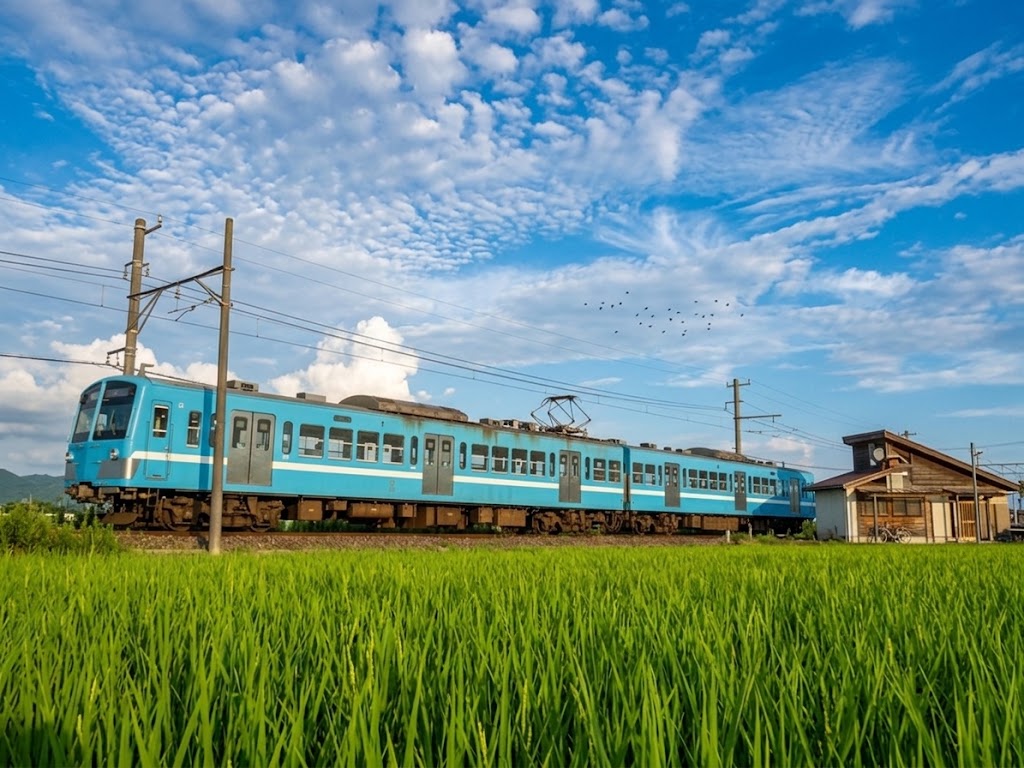
Shiga Prefecture, centered around Lake Biwa and offering strong rail links to Kyoto and Osaka, features several high-ridership JR stations (primarily on the Biwako/Tokaido Line). High daily passenger volumes signal strong local demand, commuting convenience, commercial activity, and housing appeal—key factors for property investors seeking rental demand, capital appreciation, or mixed-use potential.
Passenger figures below are approximate daily users (boarding + alighting combined, based on 2023 railway company data commonly reported in rankings). Numbers can vary slightly by source/year and methodology.
Here’s the rewritten post content with merged paragraphs and Google Maps links for each station:
1. Kusatsu Station (草津駅) – ~58,100 daily passengers
📍 Google Maps
City: Kusatsu City. One of Shiga’s busiest hubs, with connections on the Tokaido (Biwako) Line and Kusatsu Line, and excellent access to Kyoto and local amenities.
Kusatsu City’s population has grown strongly over the past 20 years, from roughly 112,000–121,000 around 2005 to about 140,000–149,000 in recent years (2024–2025 estimates), driven by suburban appeal and development. Combined with its high ridership, this makes Kusatsu a strong pick for steady rental demand, especially from families and commuters — good for residential or mixed-use development near the station, with lower vacancy risk than declining areas.
2. Minami-Kusatsu Station (南草津駅) – ~53,700 daily passengers
📍 Google Maps
City: Kusatsu City. Neighboring Kusatsu Station, this is a major stop for students, workers, and residents.
Minami-Kusatsu shares Kusatsu City’s strong long-term population growth, and its high foot traffic supports both retail/office potential and apartment demand. It’s an attractive target for buy-to-let investment aimed at young professionals and students.
3. Ishiyama Station (石山駅) – ~41,400 daily passengers
📍 Google Maps
City: Otsu City. A key Biwako Line station in southern Otsu with good Kyoto access.
Otsu City’s population has increased overall across the past 20 years, from roughly 300,000–324,000 in the mid-2000s to a peak near 345,000, though it has softened slightly and stabilized around 343,000–344,000 recently — still one of Shiga’s largest and most established urban centers. Ishiyama’s solid accessibility supports ongoing demand even as citywide growth has slowed, so investors should focus on well-located units near the station for better resilience; commercial opportunities also exist given the traffic volume.
4. Seta Station (瀬田駅) – ~34,300 daily passengers
📍 Google Maps
City: Otsu City. Another busy Biwako Line stop serving residential and commercial areas.
Seta shares Otsu City’s long-term growth with recent mild pressure, and its reliable commuter base makes it suitable for residential investment — pairing a property with local amenities and Kyoto proximity should support stronger yields.
5. Ōmi-Hachiman Station (近江八幡駅) – ~34,000 daily passengers
📍 Google Maps
City: Ōmihachiman City. An important regional station with local and express services.
Ōmihachiman City’s population has been relatively stable to mildly declining, hovering around 80,000–82,000 with a slight recent decrease. Steady ridership provides a demand floor, but slower population growth means investors should be more selective about site selection — properties near the station or tied to tourist/heritage draws are advisable, with potential upside in value-add or tourism-related properties.
6. Moriyama Station (守山駅) – ~33,700 daily passengers
📍 Google Maps
City: Moriyama City. A busy Biwako Line station in a growing suburban area.
Moriyama City’s population has grown steadily, from the mid-70,000s earlier in the period to around 85,000–86,000 recently, and this positive growth continues. Combined with solid ridership, this favorable demographic trend makes Moriyama appealing for longer-term holds, with family-oriented housing and apartments near the station tending to perform well.
7. Ōtsu Station (大津駅) – ~33,200 daily passengers
📍 Google Maps
City: Otsu City. The central station in the prefectural capital, with strong connectivity.
As with the rest of Otsu City, the population has seen long-term increase with recent mild decline or stability. Ōtsu Station offers the highest urban amenities in Shiga, making it good for mixed residential-commercial or higher-end rentals — investors should watch overall city population dynamics but can lean on the station’s convenience as a strength.
8. Zeze Station (膳所駅) – ~30,100 daily passengers
📍 Google Maps
City: Otsu City. A busy local stop on the Biwako Line.
Zeze follows Otsu City’s broader population pattern, and it supports everyday residential demand well. Properties with easy station access have stronger prospects here, amid the city’s large overall market.
9. Yasu Station (野洲駅) – ~27,200 daily passengers
📍 Google Maps
City: Yasu City. A regional Biwako Line station.
Yasu City’s population is stable to slightly declining, sitting around 50,000 with modest recent softening. Decent ridership offers a baseline of demand, but limited population growth suggests caution — investors should prioritize quality locations or value opportunities rather than pure growth plays.
10. Maibara Station (米原駅) – ~22,600 daily passengers
📍 Google Maps
City: Maibara City. A major interchange (including Shinkansen connections) and gateway station.
Maibara City’s population is decreasing, from around 40,000 earlier to roughly 35,000–37,000 recently, an ongoing decline. The station’s high strategic importance — thanks to Shinkansen and regional links — can support some commercial or transit-oriented demand, but the city’s population decline raises longer-term residential risk. Maibara is better suited to selective or opportunistic plays than broad growth bets.
Key Takeaways for Property Investors
- Top growth + ridership combination: Kusatsu (and Minami-Kusatsu) and Moriyama stand out. Rising populations + high passenger volumes generally translate to stronger rental demand, lower vacancy, and better appreciation potential.
- Established but moderating: Otsu stations (Ishiyama, Seta, Ōtsu, Zeze) benefit from scale, amenities, and Kyoto proximity, even if citywide growth has slowed.
- More cautious: Ōmihachiman, Yasu, and especially Maibara require tighter location selection due to flatter or declining demographics.
- Broader context: Southern Shiga (closer to Kyoto) has generally performed better demographically than northern areas. Always cross-check current vacancy rates, new supply, land prices, and specific neighborhood data. High-ridership stations reduce reliance on pure local population growth by drawing commuters and visitors.
Data is approximate and drawn from publicly reported railway statistics and population estimates/censuses. Figures can shift with new developments, economic conditions, or updated official releases. Conduct local due diligence, including recent sales, rental yields, and municipal plans.