
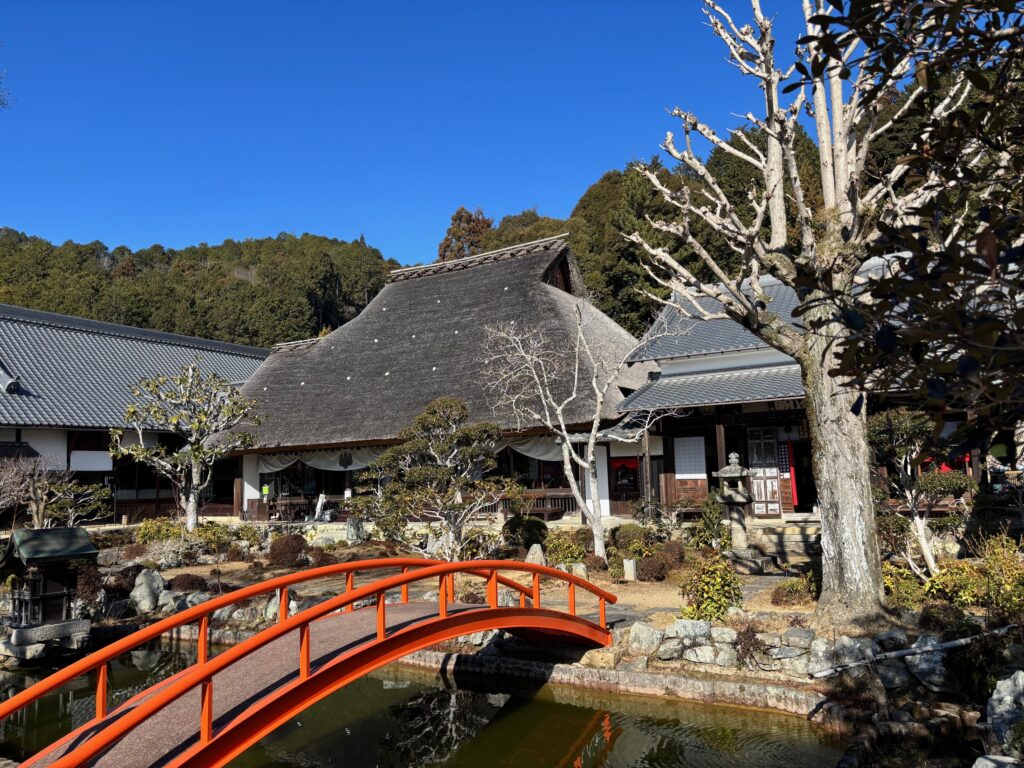
Walk through central Kyoto today and you’ll still find pockets of the city that look like they belong in another century — narrow wooden townhouses with lattice facades, tucked-away courtyard gardens, and tiled roofs that slope gently over the street. These are machiya, the traditional merchant townhouses that have defined Kyoto’s cityscape for over a thousand years.
But the picture is changing fast, and not in the machiya’s favor. Behind the postcard image is a demolition rate that has alarmed preservationists, city officials, and residents alike: Kyoto is losing its machiya at a pace of roughly two houses every day.
The numbers, broken down
Here’s what the data actually shows, pulled from Kyoto City’s own housing surveys and reporting on them:
- Per day: approximately 2 to 2.2 machiya demolished
- Per week: roughly 14 to 15 machiya
- Per year: approximately 700–800 machiya
Kyoto City’s first comprehensive machiya survey found 40,146 surviving machiya in fiscal year 2016. A follow-up survey in fiscal 2024 counted just 34,580 — a loss of more than 5,500 machiya in eight years, working out to an average annual decline of about 1.73%. That loss rate has been fairly consistent going back further, too: between 2008 and 2016 alone, the city lost around 6,000 machiya.
Some estimates put the historical total even higher. Kyoto is thought to have had over 47,000 machiya as recently as the early 2010s — meaning the city has lost close to 30% of its traditional townhouse stock in about fifteen years. Kyoto’s machiya count has fallen from 40,146 in 2016 to 34,580 in 2024, a loss of over 5,500 traditional townhouses in eight years. Only 2016 and 2024 are confirmed survey figures; intervening years are estimated.

Why this is happening
Inheritance taxes. When a machiya owner dies, heirs often face a tax bill they can’t cover without selling the property. Rather than deal with a costly, code-noncompliant wooden building, many opt to demolish it and sell the land — frequently to become a parking lot.
Building codes. Since Japan’s 1950 Building Standards Act came into effect, the traditional construction techniques used to build machiya have been effectively illegal for new construction. Every demolition is permanent — the same building can never be legally rebuilt the same way.
Maintenance costs. Wooden buildings with earthen walls and no modern insulation are expensive to keep up, especially as skilled traditional carpenters, plasterers, and thatchers become harder to find.
Development pressure. In central, high-value neighborhoods, developers offer significant money for machiya lots — pressure that’s intensified as Kyoto’s tourism boom has driven up land values.
What’s being done about it
In November 2017, Kyoto City enacted the Machiya Preservation and Succession Ordinance, requiring owners to notify the city at least a year before demolishing a designated Kyo-machiya. Private firms like Hachise have spent two decades buying and restoring machiya rather than demolishing them, and a growing wave of independent buyers — Japanese and international — have taken on restoration projects.
Still, preservation efforts have slowed the decline but not reversed it. One widely cited estimate suggested that at the current rate, Kyoto’s machiya could effectively disappear by around 2066.
The bigger picture
Every demolished machiya is gone for good — the carpentry techniques that built it can no longer legally be used to build a new one. Unless something shifts in tax policy, renovation costs, or how much value the city places on its own streetscape, Kyoto will keep losing about two pieces of its history every day.