
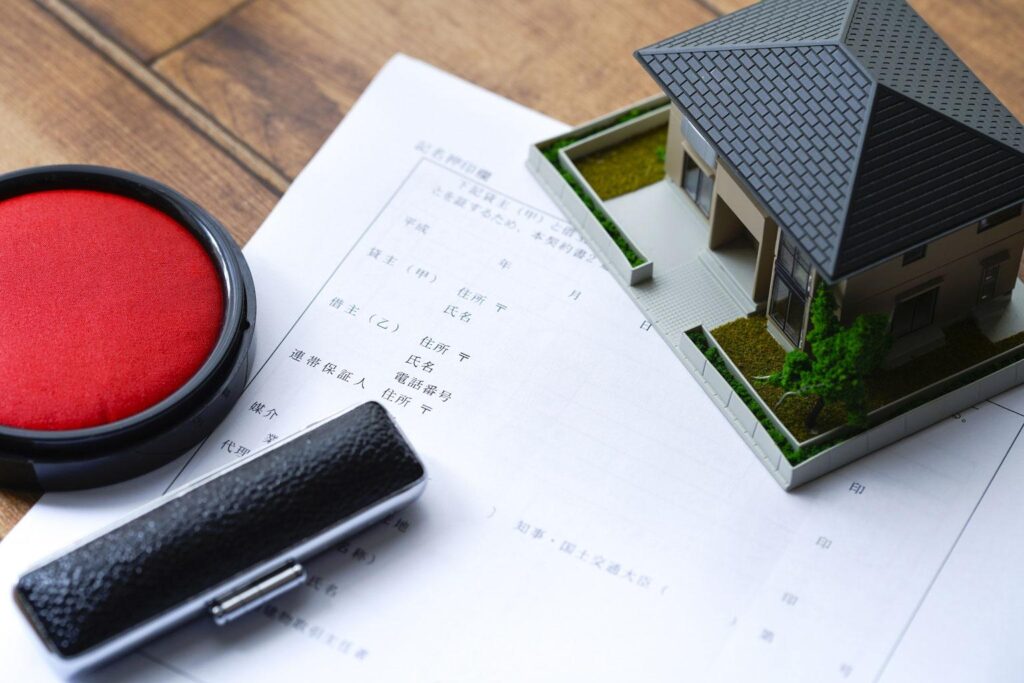
Owning property in Japan while living overseas is entirely legal and increasingly common. Foreign nationals can generally purchase freehold land, houses, and condominiums in Japan. The real challenge is managing that property when you are thousands of kilometres away and must deal with Japanese regulations, tax rules, tenants, contractors, and local authorities.
Whether you own a Kyoto townhouse, a Tokyo apartment, or a rural akiya, this guide explains how property management in Japan works for non-resident foreign owners in 2026. We will cover property management services, typical fees, legal requirements, tax obligations, vacant-property management, and how to choose a reliable property management company.
Why Foreign Owners Need a Property Manager in Japan
Japanese property management companies (管理会社, かんりがいしゃ, kanri gaisha) act as the local representative between the property owner and the people and organisations involved with the property.
This can include:
- Tenants
- Local contractors
- Utility companies
- Municipal governments
- Condominium management associations
- Real estate agents
- Tax professionals
If you live outside Japan, self-managing a property can be difficult and impractical. Even relatively simple problems can become complicated when you are in another country.
You may need someone locally to:
- Screen tenants and organise property viewings
- Respond to maintenance emergencies
- Coordinate repairs with Japanese contractors
- Collect rent and follow up on arrears
- Receive official correspondence
- Communicate with local government offices
- Attend condominium management meetings
- Arrange inspections of vacant properties
- Deal with utility companies
- Arrange cleaning, gardening, and other property services
A professional property manager can handle these tasks locally while providing regular updates and financial reports to the overseas owner.
For many foreign owners, the biggest benefit is not simply convenience. It is having someone in Japan who can physically visit the property when something goes wrong.
What Full-Service Property Management Includes
The exact services vary between companies, but a full-service property management package for an overseas owner may include:
- Tenant sourcing, screening, and placement
- Lease preparation and renewals
- Monthly rent collection
- Following up on unpaid rent
- Coordination of repairs and maintenance
- Arranging contractors and obtaining repair estimates
- Payment of condominium management fees and repair reserves, where applicable
- Liaison with the condominium management association (kanri kumiai)
- Utility account setup, billing, and cancellation
- Emergency response for problems such as leaks or lockouts
- Periodic property inspections
- Photo reports following inspections
- English-language financial and operational reports
- International remittance of rental income
- Assistance with tax representative arrangements
- Assistance with domestic contact arrangements
Some companies also offer more specialised services for vacant properties.
These can include:
- Akiya inspections
- Storm and typhoon inspections
- Seasonal ventilation
- Humidity and mould checks
- Garden maintenance
- Mail collection
- Pest and termite checks
- Water and drainage checks
- Exterior inspections
These services can be particularly valuable for owners who only visit Japan once or twice a year.
Typical Property Management Fees in Japan (2026)
Property management fees vary depending on the location, property type, rental income, and services provided. Overseas owners may also face additional setup and administrative costs.
| Fee Type | Typical Range | Notes |
|---|---|---|
| Monthly management fee | 4–8% of gross rent | Around 5% is common |
| Flat monthly fee | ¥20,000–¥80,000 | May be used for lower-rent or vacant properties |
| Tenant placement fee | Around 1 month’s rent | Usually charged when a new tenant is found |
| Lease renewal fee | ¥30,000–¥100,000 | Depends on the company and lease |
| Maintenance markup | 10–20% | Some companies add a fee to contractor invoices |
| Major renovation management | 5–15% of project cost | Usually optional |
| Overseas owner setup | ¥50,000–¥200,000 | One-time fee where applicable |
| Tax preparation support | ¥100,000–¥300,000 annually | Often handled by a tax accountant |
These are general industry ranges rather than fixed national rates. Always ask for a complete fee schedule before signing a management agreement.
Example Property Management Cost
Imagine you own a Tokyo apartment that rents for ¥120,000 per month.
With a 5% management fee:
¥120,000 × 5% = ¥6,000 per month
That would be ¥72,000 per year before consumption tax and any additional services or expenses.
Some companies reduce their management fee during vacancy periods, while others charge a fixed monthly amount regardless of whether the property is occupied.
Make sure you understand exactly what happens to the management fee when the property is vacant.
Management services are generally subject to Japan’s 10% consumption tax, while residential rent is generally exempt from consumption tax.
Legal Requirements for Non-Resident Property Owners
Several Japanese rules can affect property owners who live overseas.
1. Domestic Contact Registration
Owners who do not have a residential address in Japan may need to designate a domestic contact for certain property-related registrations and official correspondence.
A domestic contact can be an individual or, where permitted, a company.
Some property management companies offer domestic contact services for overseas owners.
Because registration requirements can depend on the specific transaction and circumstances, confirm the current requirements with your judicial scrivener or other qualified professional.
2. Tax Representative (納税管理人)
Non-resident property owners generally need to appoint a tax representative (nōzei kanrinin) in Japan for tax-related matters.
A tax representative can receive tax notices and assist with filing and payment obligations on behalf of the non-resident owner.
This can be particularly important for owners who receive rental income from Japanese property.
A property manager may be able to provide this service, or they may work with a Japanese tax accountant who can act as your representative.
3. Nationality Information for Property Registration
Japan has introduced additional requirements concerning nationality information in property registration procedures.
For certain registrations and applications, owners may need to provide nationality information and supporting identification documents.
The exact requirements depend on the type of registration and the circumstances of the transaction.
If you are buying or registering property in 2026, your judicial scrivener should confirm the documents and information required for your particular transaction.
4. Updating Registration Information
Property owners are responsible for keeping registration information up to date.
Changes involving an owner’s name or address may require an update to the property registration.
Non-resident owners should not assume that changing their address overseas automatically updates their Japanese property records.
If your name, address, or other registered information changes, speak with a judicial scrivener about the appropriate procedure and deadline.
5. Foreign Exchange and Foreign Trade Act (FEFTA)
Foreign nationals and non-residents purchasing Japanese real estate may also have reporting obligations under Japan’s Foreign Exchange and Foreign Trade Act (FEFTA).
In some circumstances, a post-acquisition report may need to be submitted to the Bank of Japan within a specified period after the transaction.
However, exemptions and different requirements can apply depending on the buyer, property, transaction, and purpose of the purchase.
If you are purchasing Japanese property as a non-resident, your real estate agent, lawyer, or other qualified professional should confirm whether a FEFTA notification is required.
Condominium Owners
Condominium owners should also pay attention to changes affecting condominium management and sectional ownership.
Rules governing condominium ownership and management were revised in 2026, including provisions that can affect owners who live overseas.
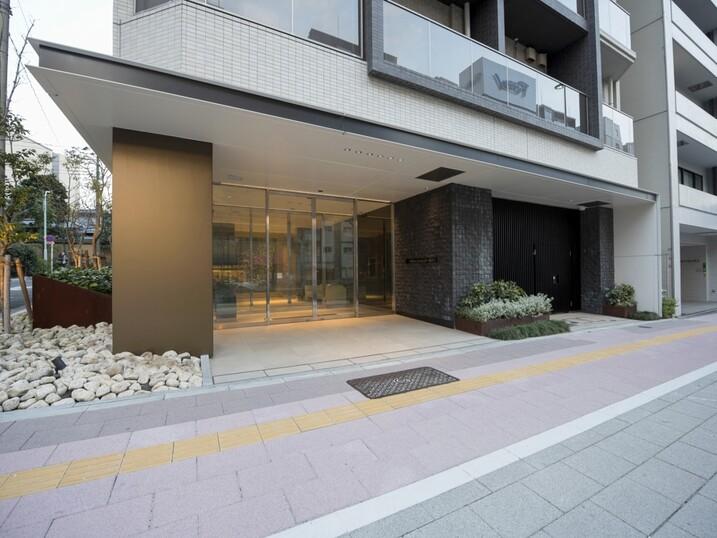
If you own a condominium in Japan, check the rules of your building’s management association and confirm whether an overseas owner must designate a domestic representative or contact.
Tax Rules for Overseas Property Owners
Japan generally taxes income generated from Japanese real estate even when the property owner lives overseas.
Rental income received by a non-resident can therefore create Japanese tax obligations.
Withholding Tax
A 20.42% withholding tax may apply to rental payments made to a non-resident in certain circumstances.
For example, withholding can apply when the tenant is a company or an individual renting the property for business purposes.
When an individual rents the property as their own private residence, withholding generally does not apply.
Because the rules can depend on the tenant and how the property is being used, overseas owners should confirm their particular situation with a Japanese tax professional.
Filing a Japanese Tax Return
Non-resident owners receiving rental income may need to file a Japanese income tax return.
Depending on the circumstances, legitimate expenses connected with the property may be deductible.
Potential expenses can include:
- Property management fees
- Repairs and maintenance
- Property taxes
- Building and landlord insurance
- Depreciation
- Certain condominium management expenses
- Certain mortgage interest expenses
The exact deductions available depend on the property and the owner’s circumstances.
If withholding tax has been deducted from rental income, filing a tax return may result in a refund if the final amount of tax owed is lower than the amount withheld.
A property manager can make this process easier by providing accurate rental income records, expense records, repair invoices, and other documentation to your tax accountant.
Managing a Vacant Japanese Property From Overseas
Not every overseas property owner is renting their property.
Many foreign owners have Japanese properties that are:
- Family homes
- Holiday homes
- Inherited properties
- Second homes
- Renovation projects
- Akiya
- Properties being prepared for future rental
An empty house still needs attention.
Japan’s climate can create problems for vacant buildings, particularly during the humid summer months and typhoon season.
Without regular inspections, small problems can become expensive repairs.
What Should an Akiya Inspection Include?
A typical vacant-property inspection may include:
- Opening windows for ventilation
- Checking for mould and excessive humidity
- Looking for water leaks
- Checking the roof and exterior for visible damage
- Looking for signs of termites and other pests
- Running water through drains
- Checking toilets and plumbing
- Photographing the interior and exterior
- Checking for storm or typhoon damage
- Collecting mail
- Checking the garden and surrounding property
The inspection schedule should depend on the property, location, season, and condition of the building.
For example, an older wooden house in rural Kansai may need considerably more attention than a modern condominium in central Tokyo.
How to Choose a Property Management Company in Japan
Not every Japanese property management company works with overseas owners.
Managing an overseas client can require additional communication, international payments, documentation, and coordination with tax professionals.
When comparing companies, look for a manager who:
- Has experience working with foreign or non-resident owners
- Can communicate clearly in English if required
- Provides regular financial and inspection reports
- Can coordinate international rental-income transfers
- Clearly explains transfer and banking fees
- Can assist with domestic contact arrangements
- Can work with a tax representative or tax accountant
- Has appropriate real estate licences for the services being provided
- Clearly explains vacancy-period fees
- Clearly explains maintenance and contractor markups
- Provides written management agreements
- Has a clear emergency-response procedure
If the company will be involved in real estate brokerage or leasing activities that require a licence, confirm that it holds the appropriate 宅地建物取引業 licence.
Questions to Ask Before Signing
Before choosing a property manager, ask:
- What is included in the monthly management fee?
- What happens if the property becomes vacant?
- How much do you charge for finding a new tenant?
- Do you add a markup to repair and contractor bills?
- How quickly do you respond to emergencies?
- How often will you inspect the property?
- Will I receive photographs after inspections?
- Can you communicate with me in English?
- Can you assist with tax representative or domestic contact arrangements?
- How will rental income be transferred overseas?
- What international transfer fees will I pay?
- Can I see a sample monthly management report?
Ask for a clear written scope of services before signing.
It is also worth asking whether the company currently manages properties for other overseas owners. Experience with non-resident clients can make a significant difference when dealing with international communication and tax administration.
Setting Up Property Management as a New Non-Resident Owner
If you are buying a property in Japan while living overseas, it is worth setting up your management arrangements as early as possible.
A typical process is:
- Choose a property management company before or around the time of purchase completion.
- Discuss your domestic contact requirements.
- Appoint a tax representative if required.
- Arrange a Japanese bank account where possible and appropriate.
- Set up payment arrangements for condominium fees and property taxes.
- Confirm how rental income will be collected.
- Confirm how rental income can be transferred overseas.
- Agree on an inspection and reporting schedule.
- Give your property manager emergency contact information.
- Keep copies of important property documents in an accessible location.
Setting everything up before a problem occurs is much easier than trying to organise management after a leak, storm, tenant problem, or other emergency.
Property Management for Foreign Owners in Kansai
Kansai is home to a wide variety of properties owned by people who live outside Japan. From Kyoto machiya and Osaka apartments to rural homes around Lake Biwa, overseas owners face many of the same challenges: keeping the property maintained, responding to problems quickly, and making sure someone is available locally when they cannot be.
At Property Management Kyoto, we provide property management and vacant-home support for overseas owners across the Kansai region, including Kyoto, Shiga, Osaka, Nara, and Kobe.
Our services are designed around the reality of owning a property from overseas. Depending on your property and needs, this can include regular property inspections, vacant-home checks, maintenance coordination, contractor arrangements, photo reports, storm and typhoon inspections, and general oversight of your property while you are away.
We are particularly familiar with the challenges faced by owners of older Japanese homes and akiya.
Properties around Kyoto and Shiga can experience significant humidity during the summer, while heavy rain, typhoons, winter weather, mould, pests, and vegetation can all create problems for an unoccupied house. A problem that might be easy to deal with when you live nearby can become much more expensive when nobody discovers it for several months.
For overseas owners, having someone physically check the property can make a significant difference.
We can help owners keep an eye on their property, identify developing problems, document the condition of the home with photographs, and coordinate with local contractors when maintenance or repairs are needed.
Property Management Around Kyoto and Lake Biwa
Property Management Kyoto is based in Otsu, Shiga Prefecture, on the southern shore of Lake Biwa. This gives us a convenient base for supporting properties throughout Shiga and the wider Kansai region.
We understand that not every property requires the same level of management.
A modern condominium may only need occasional inspections and assistance with building management matters. An older detached house may require regular visits, ventilation, garden maintenance, pest checks, and monitoring for water damage. An inherited akiya may need a completely different plan depending on its condition and whether the owner intends to renovate, sell, rent, or simply maintain it.
Our approach is therefore based on the individual property rather than a one-size-fits-all package.
If you own a property in Kyoto, Shiga, Osaka, Nara, Kobe, or the surrounding Kansai area and live overseas, you can learn more about our property management services or contact Property Management Kyoto to discuss your property and what kind of support you need.
Final Thoughts
Owning property in Japan from overseas does not have to be stressful, but it does require a plan.
The biggest risk for an overseas owner is often not the property itself. It is what happens when something goes wrong and nobody is there to notice.
A small roof leak can become extensive water damage. A blocked gutter can contribute to mould and timber deterioration. A vacant garden can quickly become overgrown. A letter from a management association or local government can sit unopened because the owner is thousands of kilometres away.
A reliable local property manager provides someone on the ground who can identify these problems and help deal with them before they become much larger issues.
For rental properties, professional management can take care of tenants, rent collection, maintenance, and communication.
For vacant homes and akiya, regular inspections can help protect the property between visits and identify problems while they are still manageable.
The right management arrangement will depend on your property, its location, whether it is occupied, and what you want to do with it in the future. The cheapest option is not always the best option for an overseas owner. Clear communication, reliable inspections, transparent fees, and local support can be considerably more valuable than saving a few thousand yen each month.
If you own a property in Kyoto, Shiga, Osaka, Nara, Kobe, or elsewhere in Kansai and need someone in Japan to keep an eye on it while you are away, Property Management Kyoto can help.
Learn more about our property management services or contact us to discuss your property.
Read More
If you own property in Japan from overseas, these guides from Property Management Kyoto may also be useful:
Is Your Akiya Ready for Typhoon Season?
Typhoons, heavy rain, and strong winds can cause serious problems for vacant Japanese homes. Learn what to check before and after a storm and why post-typhoon inspections are particularly important for overseas owners.
Akiya Explained: Japan’s 9 Million Vacant Homes Decoded
Japan’s famous “9 million akiya” figure doesn’t tell the whole story. This guide explains what the statistics actually mean and why the difference between an ordinary vacant property and a genuinely unmanaged akiya matters.
Japan’s Aging Apartment Problem
If you own or are considering buying a Japanese condominium, the age and management of the building matter just as much as the individual apartment. This guide looks at Japan’s aging condominium stock and the major legal changes taking effect in 2026.
Common Areas in Japanese Condominiums: What Owners Don’t Actually Own
Buying a condominium in Japan doesn’t mean that every part of the building belongs exclusively to you. Learn how common areas, balconies, entrance doors, management fees, and building rules affect condominium owners.
Looking for Property Management in Kansai?
Property Management Kyoto helps overseas owners look after Japanese homes and properties while they are away.
Learn more about our services or contact us to discuss your property.