Legal & Buying Tips

Clear explanations of Japanese real estate laws, co-ownership, taxes, akiya regulations, and important tips for foreign buyers in Kansai.

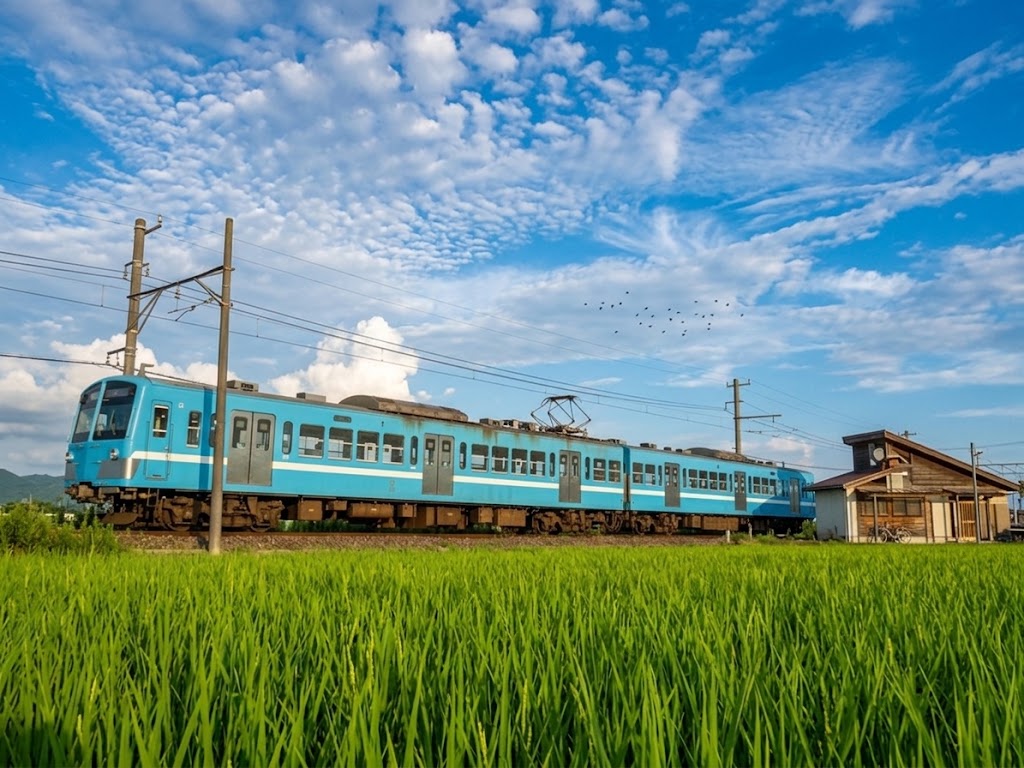
A light blue local train is seen next to a traditional wooden building at Maibara Station in Shiga Prefecture, Japan, with green rice fields in the foreground and a blue, cloudy sky. This is an image for a blog post on the 10 busiest train stations in Shiga.

The Ten Busiest Train Stations in Shiga

Shiga Prefecture, centered around Lake Biwa and offering strong rail links to Kyoto and Osaka, features several high-ridership JR stations (primarily on the Biwako/Tokaido Line). High daily passenger volumes signal strong local demand, commuting convenience, commercial activity, and housing appeal—key factors for property investors seeking rental demand, capital appreciation, or mixed-use potential. Passenger figures below […]

The Ten Busiest Train Stations in Shiga Read More »
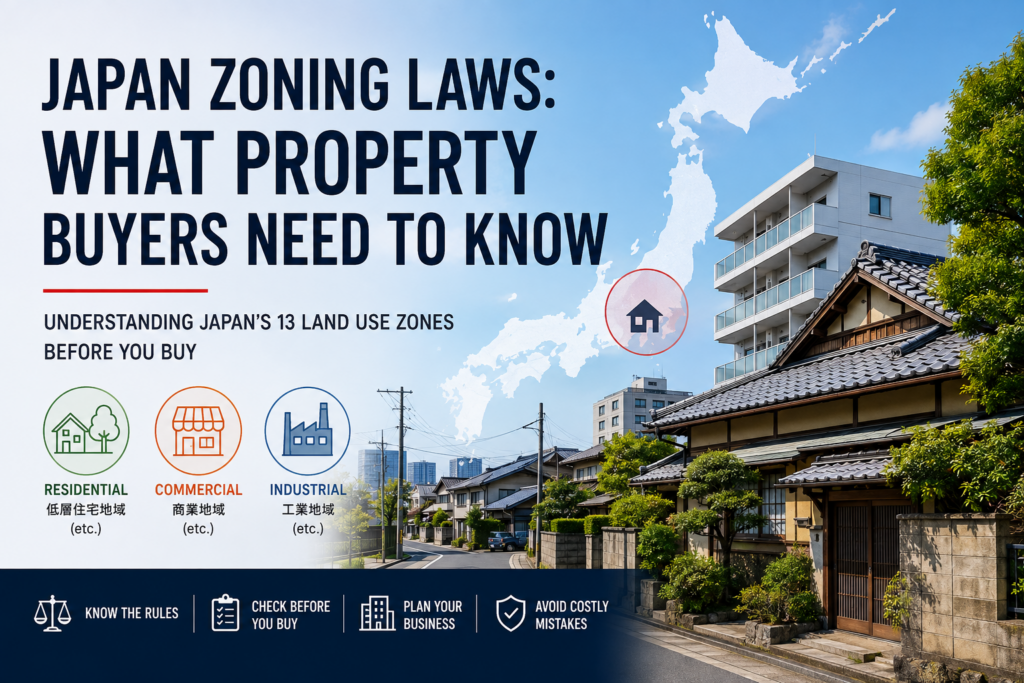
Japan zoning laws and the 13 land use zones for property buyers

Japan Zoning Laws: What Property Buyers Need to Know

Japan is one of the more accessible real estate markets for foreign buyers. Foreigners can generally own land and buildings in Japan, but owning a property doesn’t necessarily mean you can use it however you want. If you’re thinking about turning a house into a restaurant, guesthouse, office, rental property or other business, one of

Japan Zoning Laws: What Property Buyers Need to Know Read More »

Real Estate fees in Japan

Real Estate Fees in Japan: What Buyers Need to Know

Buying a house in Japan involves more than the advertised purchase price. Whether you are buying a Kyoto home, an investment property, or an older akiya, there are several costs to understand before you make an offer. The largest and most visible additional cost is usually the real estate agent’s commission (仲介手数料). Japan regulates the

Real Estate Fees in Japan: What Buyers Need to Know Read More »

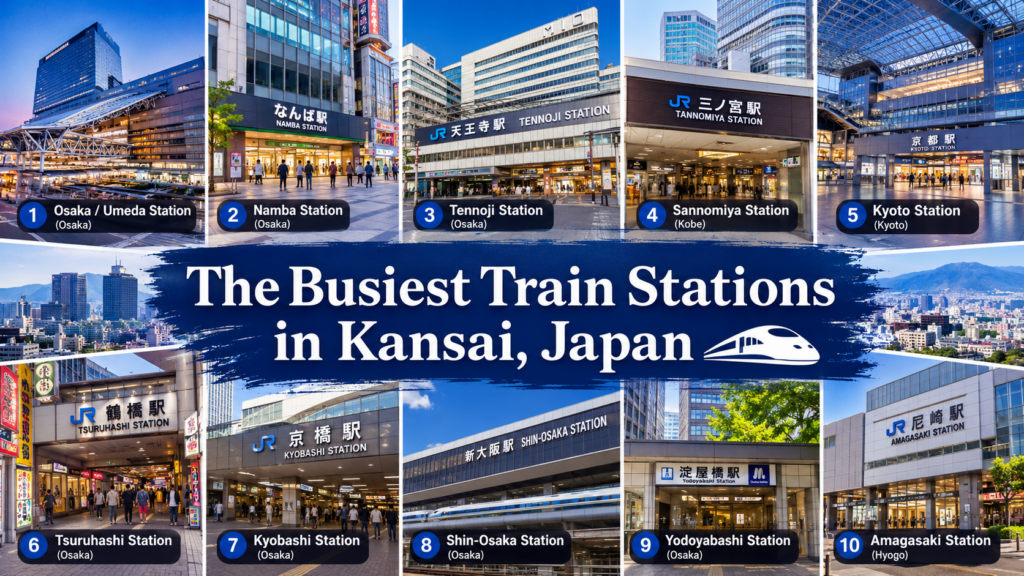
Illustrated rail-line graphic of the 10 busiest train stations in Kansai, Japan, ranked by daily ridership

The Busiest Train Stations in Kansai

Kansai’s rail network moves an extraordinary number of people every day. Anchored by Osaka’s sprawling Umeda district and stretching out to Kyoto and Kobe, these stations aren’t simply transit points. Many are surrounded by shopping districts, restaurants, offices, hotels, residential neighborhoods, and major tourist attractions. For people who own property in Japan, or are researching

The Busiest Train Stations in Kansai Read More »

park mansion japanese appartment

Common Areas in Japanese Condominiums: What Owners Don’t Actually Own

The Illusion of Full Ownership Buying an apartment (called a mansion (マンション, manshon), or condominium) in Japan feels like securing your own slice of property. You own the unit, right? Not entirely. Japanese law draws a clear line between the exclusive-use parts you fully own and the common areas jointly owned by all residents through

Common Areas in Japanese Condominiums: What Owners Don’t Actually Own Read More »

exterior amber house southern higashiyama 1 (large) l

Cost of Owning a House in Japan: Kansai Guide

Owning a home in Japan is an exciting milestone, whether you’re buying a primary residence, a vacation property, or an investment. From bustling urban centers to serene countryside spots, Japanese properties offer unique appeal. However, the true cost goes far beyond the purchase price. Understanding ongoing expenses is crucial, and enlisting professional help — like

Cost of Owning a House in Japan: Kansai Guide Read More »

kyoto blog hero

Kyoto’s Vacant Home Tax Postponed to 2030: What It Means

Kyoto City has pushed back the start date of its landmark vacant home tax by one year. If you own an unoccupied property here — an inherited family home, a holiday house, or an investment property you manage from abroad — this delay changes your planning window, but it doesn’t change the fact that the

Kyoto’s Vacant Home Tax Postponed to 2030: What It Means Read More »

Group of young friends relaxing and chatting in a sunlit kitchen space.

Ten Things to Know About Co-Ownership of Property in Japan

Owning a home with family, friends, business partners, or investors is a practical way to enter Japan’s property market. However, shared ownership creates specific legal rights and obligations under the Japanese Civil Code that many buyers overlook. Understanding 共有 (kyōyū — co-ownership) can help prevent disputes and safeguard your investment. 1. Each Co-Owner Holds a

Ten Things to Know About Co-Ownership of Property in Japan Read More »