
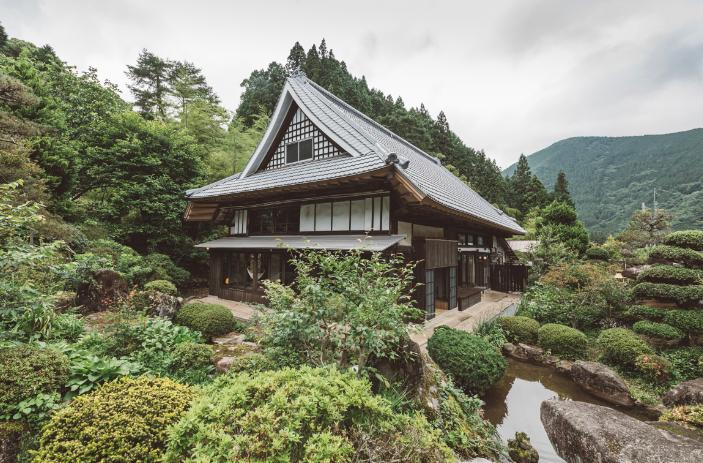
Japan has excellent infrastructure and reliable services, but property ownership still requires someone to be physically available when something goes wrong.
An empty house can deteriorate surprisingly quickly.
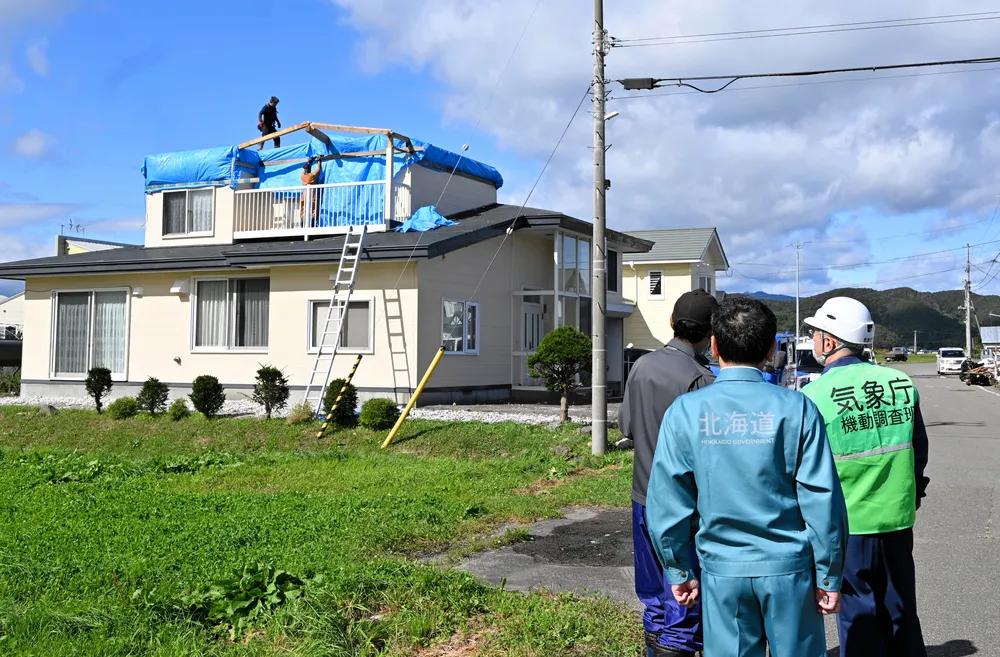
Humidity can contribute to mold and damage, particularly during Japan’s hot and rainy seasons. Gardens can become overgrown. Insects and termites can cause problems. Heavy rain and typhoons can damage roofs, windows and exterior structures. In colder regions, winter weather can create its own risks.
There is also the less visible side of property ownership.
Important documents may arrive by post. Property taxes still need to be dealt with. Utilities and insurance need attention. Contractors may need access to the property. Local authorities may send notices that require a response.
When you live thousands of kilometres away, even a relatively small problem can become difficult to resolve.
This is why property management for overseas owners is becoming an important part of owning property in Japan.
1. Arrange Someone Local to Check Your Property
The most important thing you can do is make sure someone can physically visit your property.
A house that sits empty for months without being inspected is vulnerable to problems that may not be obvious from photographs or remote monitoring.
Regular visits can identify issues such as:
- Water leaks
- Roof or gutter damage
- Broken windows or doors
- Mold and excessive humidity
- Pest or termite activity
- Overgrown vegetation
- Fallen trees or branches
- Storm damage
- Plumbing problems
- Signs of unauthorized entry
- Problems with electricity or water
- Damage caused by animals
The appropriate inspection frequency depends on the property.
A modern condominium that you visit regularly may need relatively little attention. An older rural house or akiya can require considerably more.
For many vacant homes, regular inspections are one of the simplest ways to prevent a small problem from becoming an expensive repair.
2. Keep an Eye on Humidity, Mold and Ventilation
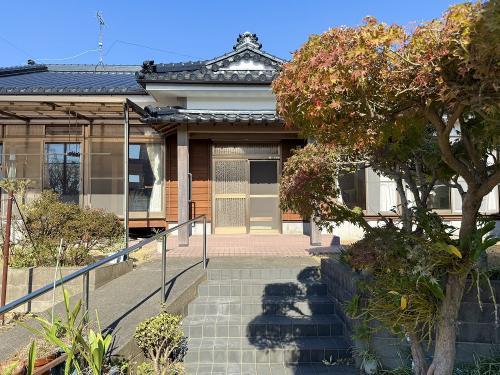
One of the biggest challenges for an empty Japanese house is moisture.
Japan’s climate varies considerably by region, but many parts of the country experience hot, humid summers and substantial rainfall. A house that remains closed for long periods can develop a stale, damp environment.
This can contribute to:
- Mold
- Musty odors
- Damage to tatami and wood
- Deterioration of furniture
- Pest activity
- Damage to stored belongings
Opening windows and ventilating a property when appropriate can help, but someone needs to be there to do it.
For an overseas owner, this is one reason regular property visits can be more valuable than simply having a neighbour hold a key.
A good inspection should look for changes, not just obvious damage.
A small patch of mold today may be telling you about a much larger moisture problem.
Related: How to Prevent Mold in Vacant Kansai Homes
3. Prepare for Typhoons and Severe Weather
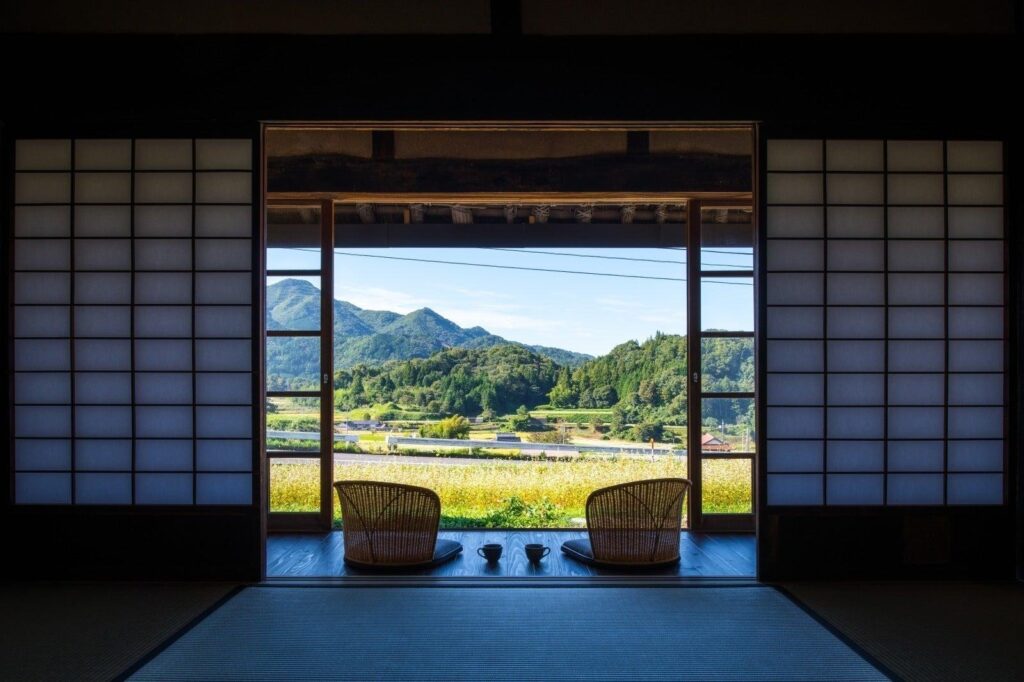
Japan experiences typhoons, heavy rainfall and other severe weather events every year.
If you live in Japan, you can react when a major storm approaches. If you live overseas, you may not even know that your property has been affected until someone tells you.
Before and after severe weather, a local property manager or trusted contact can check:
- Roof tiles
- Gutters
- Windows
- Doors
- Exterior walls
- Fences
- Trees
- Drainage
- Garden structures
- Water intrusion
- Signs of flooding
This is particularly important for older homes.
A property that survives a storm with a damaged roof tile or blocked gutter may appear fine from the outside. Weeks later, however, water intrusion can create a much more serious problem.
Having someone nearby who can inspect the property after a major weather event gives an overseas owner considerably more peace of mind.
Related: Is Your Akiya Ready for Typhoon Season?
4. Don’t Forget the Garden
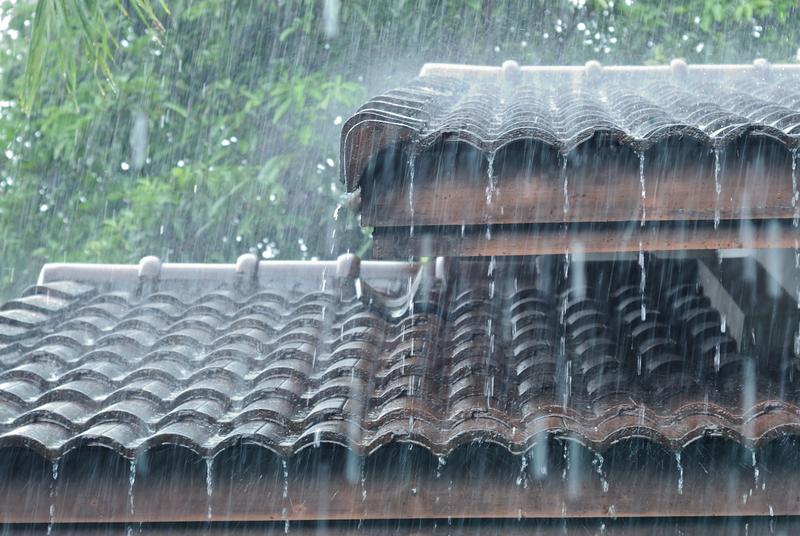
One of the easiest things to underestimate when buying a Japanese house is how quickly a garden can become overgrown.
A property that looks beautifully maintained when you purchase it can look very different after several months without attention.
Depending on the property, vegetation can:
- Block paths
- Cover windows
- Grow against exterior walls
- Interfere with electrical equipment
- Create pest habitat
- Damage fences
- Make access difficult
- Become a problem for neighbours
This is especially relevant for rural properties and traditional homes with larger gardens.
Garden maintenance does not necessarily need to happen every month, but it should be part of your overall property-management plan.
For overseas owners, arranging garden maintenance at the right time of year can also make inspections easier and help prevent small problems from being hidden by vegetation.
5. Make Sure Someone Can Deal With Repairs
Eventually, something will need fixing.
A washing machine may stop working. A roof may need repair. A tree may fall. A water pipe may leak. An air conditioner may fail.
The difficult part for an overseas owner isn’t always paying for the repair.
It is finding someone who can:
- Identify the problem
- Visit the property
- Explain what needs to be done
- Obtain a quotation
- Coordinate with a contractor
- Provide access to the property
- Confirm that the work was completed
This is where a local property-management service can become particularly useful.
Instead of trying to coordinate everything through email from another country, you have someone in Japan who can act as your local point of contact.
For larger repairs or renovations, it can also be useful to have photographs and quotations provided in English before you approve the work.
Related: Property Management Services
6. Keep Track of Property Taxes and Official Mail
Physical mail is another part of Japanese property ownership that overseas owners need to consider.
Local governments and other organisations may send important documents by post.
Property owners may need to deal with matters such as fixed asset tax and city planning tax, depending on the property and location.
Non-resident owners may also need to appoint a tax representative (納税管理人) for certain Japanese tax-related matters. The exact requirements depend on the owner’s circumstances, so professional advice should be obtained when necessary.
Some property-management services can receive important mail on behalf of overseas owners and provide scans or translations.
This is particularly useful when you cannot easily read Japanese or when you do not have a reliable mailing address in Japan.
If you own a condominium, there can also be another layer of correspondence and management responsibilities. Overseas owners may need to stay informed about their building’s management association, meetings, repair plans and other decisions.
Related: Japan’s Aging Apartment Problem
7. Keep Utilities and Insurance Under Control
An empty property does not necessarily mean that you should simply turn everything off.
Electricity and water may still be useful for inspections and maintenance. Depending on the property and circumstances, you may want certain utilities available even when nobody is living there.
Insurance is another important consideration.
Make sure you understand what your insurance policy requires when the property is vacant. Some policies may have specific conditions relating to occupancy, inspections or notification of changes in use.
Rather than assuming that an empty property can simply be left untouched, review your utilities and insurance arrangements as part of your overall management plan.
8. Have a Plan for Emergencies
Imagine discovering a problem while sitting at home in another country.
Your local contact tells you:
“There is water coming through the ceiling.”
What happens next?
A good remote-management arrangement should make the answer straightforward.
You should know:
- Who will visit the property?
- Who has the keys?
- Who can contact a contractor?
- Who can photograph the damage?
- Who can obtain a quotation?
- How will you approve emergency work?
- How quickly can someone respond?
You may never need the emergency plan.
But having one before something happens is considerably better than trying to create one during a crisis.
This is particularly important after earthquakes, typhoons and periods of heavy rainfall.
Related: Why Japan Builds for the Shake: A Look at Japan’s Earthquake Technology
9. Keep a Record of Your Property
One advantage of modern property management is that you don’t have to rely entirely on memory and email.
Keep records of:
- Inspection dates
- Inspection photographs
- Repairs
- Contractor information
- Renovations
- Maintenance
- Utility information
- Insurance
- Tax documents
- Important correspondence
- Property expenses
Ideally, these records should be organised by property.
This becomes particularly valuable if you own an older house that requires ongoing maintenance.
Over several years, you can build a history of the property.
You might eventually be able to look back and see:
August 2026 — Roof inspected July 2026 — Garden maintenance June 2026 — Exterior inspection May 2026 — Gutter cleaning
That history can help you identify recurring problems and plan future maintenance.
For overseas owners, keeping photographs with inspection records is especially useful. It gives you a visual record of your property even when you are on the other side of the world.
10. Consider Using a Property Management Service
You don’t necessarily need a full-service management company for every property.
Some owners simply need someone to visit the house periodically.
Others need help with:
- Regular inspections
- Tax-related administration
- Garden maintenance
- Repairs
- Contractor coordination
- Renovations
- Cleaning
- Emergency response
- Utility management
Your needs will depend on the property and how often you visit Japan.
For an overseas owner, however, the most important thing is having someone you trust on the ground.
A property manager can become your local point of contact, helping you deal with problems that are difficult to solve remotely and keeping you informed about the condition of your home.
Related: Our Property Management Services
What About an Akiya?
An akiya (空き家) requires particular attention because many of these homes are older, have been vacant for extended periods, or need significant maintenance.
An akiya isn’t necessarily a bad property.
But an empty Japanese house can become a liability if nobody is looking after it.
The risks can include:
Moisture → Mold → Deterioration
Overgrown garden → Pests → Property damage
Small roof problem → Water intrusion → Major repair
Storm damage → Unnoticed damage → Further deterioration
No inspections → Problems discovered too late
Japan’s vacant-home situation is also more complicated than the often-repeated headline of “9 million akiya” suggests. Japan’s 2023 Housing and Land Survey counted approximately 9 million vacant dwellings, but that figure includes homes for rent, homes for sale and second homes as well as properties with no designated use.
Related: Akiya Explained: Japan’s 9 Million Vacant Homes Decoded
For this reason, anyone buying an akiya from overseas should think about ongoing management before completing the purchase, not after.
What About Condominiums and Apartments?
Not every overseas owner has an akiya.
If you own an apartment or condominium in Japan, you may not need someone to maintain the building’s exterior or common areas because those responsibilities generally belong to the building’s management association.
However, overseas owners still need to pay attention to:
- Management fees
- Repair reserve contributions
- Building notices
- Management association meetings
- Major repair plans
- Building rules
- Insurance
- Unit maintenance
- Water leaks and other problems inside the unit
Older condominiums can present additional considerations. Japan’s aging housing stock means that overseas buyers should understand not only the condition of their own unit but also the financial and management health of the building.
How Much Management Does Your Property Really Need?
There isn’t one answer for every Japanese property.
A useful way to think about it is:
Modern Condominium
You may mainly need:
- Mail handling
- Tax administration
- Occasional inspection
- Emergency contact
Second Home
You may need:
- Periodic inspection
- Cleaning
- Garden maintenance
- Utility management
- Pre-arrival preparation
Older Vacant House
You may need:
- Regular inspections
- Ventilation
- Mold monitoring
- Pest checks
- Garden maintenance
- Storm inspections
- Repairs
- Contractor coordination
Rural Akiya
You may need all of the above, plus additional attention to:
- Snow
- Heavy rain
- Typhoons
- Vegetation
- Wildlife
- Older plumbing
- Roof condition
- Structural deterioration
The right management plan should be based on the property itself, its location and its condition — not simply a standard package.
You Don’t Have to Manage Your Japanese Property Alone
Owning a home in Japan while living overseas is entirely possible.
The important thing is to create a system that connects you to the property even when you are thousands of kilometres away.
That might mean a trusted neighbour, a local contractor, a property manager, or a combination of several services.
The goal is simple:
Someone in Japan needs to be able to see what is happening with your property, respond when something goes wrong, and keep you informed.
For foreign owners, this can turn Japanese property ownership from something stressful into something much more manageable.
Property Management for Overseas Owners
At Property Management Kyoto, we help overseas owners look after Japanese properties in Kyoto, Shiga and the surrounding Kansai region.
Our services can include:
- Property inspections
- Maintenance coordination
- Garden care
- Seasonal property checks
- Storm and emergency inspections
- Contractor coordination
- Assistance with vacant and older properties
If you own a Japanese home, akiya, condominium or vacant property and need someone local to keep an eye on it, contact us to discuss your property and management needs.