
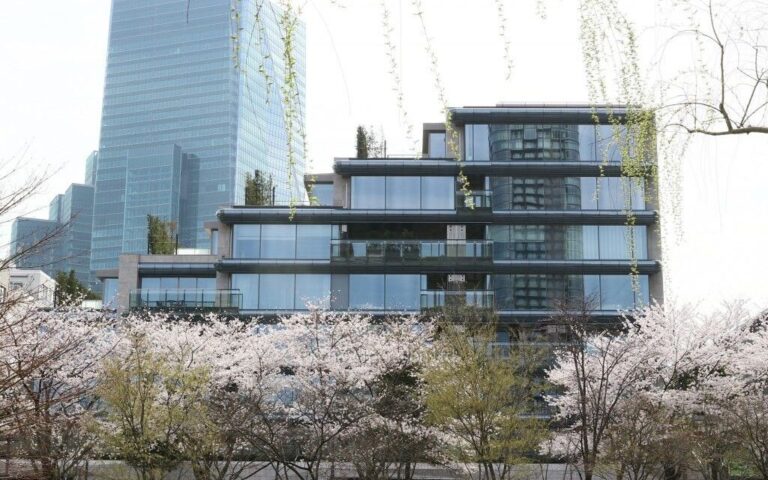
The Illusion of Full Ownership
Buying an apartment (called a mansion (マンション, manshon), or condominium) in Japan feels like securing your own slice of property. You own the unit, right? Not entirely. Japanese law draws a clear line between the exclusive-use parts you fully own and the common areas jointly owned by all residents through the building’s management association.
This distinction surprises many buyers, especially those coming from overseas. Items like balconies, exterior doors, and structural elements often fall under shared ownership rather than private ownership. Understanding this before you sign anything prevents disputes, unexpected restrictions, and costly mistakes down the line.
Legal Framework: Japan’s Unit Ownership Law
The Act on Building Unit Ownership, etc. (known as the Unit Ownership Law, or kubun shoyuho) governs how ownership is divided in a condominium building.
- Exclusive-use parts (sen’yu bubun): The interior space of your unit — generally everything inside the walls, floors, and ceilings. You have full ownership here and can modify it with relatively few restrictions, subject to your building’s bylaws and standard building codes.
- Common areas (kyoyo bubun): Everything else — hallways, elevators, roofs, foundations, exterior walls, and more. These are jointly owned in proportion to each unit’s size by all owners. The management association handles maintenance, funded by monthly fees.
Major changes or alterations to common areas typically require a majority or supermajority vote from the ownership assembly.
Are Balconies Common Property in Japan?
Yes — and this is usually the biggest surprise for new owners.
Balconies are legally treated as common areas, with exclusive use rights (sen’yo shiyoken) granted only to the adjacent unit’s owner. You can use the space, but it isn’t “yours” in the way your living room is.
- The structural elements — floor slab, railings, walls, ceiling — belong to the building as a whole.
- A Japanese Supreme Court ruling (April 10, 1975) confirmed that balconies are common property, based on their structural role and their function as part of the building’s fire evacuation route.
- Some buildings additionally designate balconies as common property through their own management bylaws (kiyaku kyoyo bubun) specifically to formalize the evacuation-route rule — so it’s worth checking your own building’s bylaws rather than assuming the national law alone covers every detail.
Typical restrictions on balcony use:
- No major renovations, painting, or fixed installations without management association approval
- No blocking evacuation hatches or partition boards (shikiriita) between units
- No heavy permanent storage, barbecues, or excessive planting
- No hanging laundry or items over the railings where it affects the building’s appearance
Who Owns the Entrance Door in a Mansion?
The interior side of your unit’s entrance door is generally yours. The exterior side and the door frame, however, are usually common property. This matters more than it sounds — it affects whether you can repaint the door, swap the hardware, or replace it entirely without asking the management association first.
Other common-property examples worth knowing:
- Exterior walls, window frames, and window glass on the outward-facing side
- Roofs and the building’s foundation
- Shared facilities: stairwells, lobbies, and parking areas (when designated common)
- Plumbing and electrical systems running inside the walls
Parking spaces and private gardens attached to ground-floor units typically follow the same pattern as balconies: common property with exclusive-use rights assigned to one owner.
Your Rights and Responsibilities as an Exclusive-Use Holder
Holding exclusive use rights over an area like your balcony means:
- Only you (and guests you authorize) may use the space day to day
- You must still follow the building’s management bylaws (kanri kiyaku)
Violating these bylaws can lead to a formal warning, a management-ordered removal of items, or in persistent cases, legal action. In an emergency, remember that your balcony also functions as shared evacuation infrastructure — the partition boards to neighboring units are designed to be kicked through.
Maintenance fees: These cover common-area upkeep, repairs, and the building’s long-term repair reserve fund. Costs commonly run ¥10,000–¥30,000+ per month, though older buildings, those with elevators or amenities like pools and gyms, or buildings with underfunded reserves can run considerably higher.
Practical Implications for Buyers and Owners
- Review the documents first. Always check the management bylaws, articles of incorporation, and recent general meeting minutes before purchasing. Ask specifically about past disputes and any planned major repairs.
- Know what you can and can’t renovate. Interior work is generally fine with the right permits; anything touching the exterior or shared systems needs management approval to preserve the building’s uniform appearance and structural safety.
- Think about resale value. Well-managed buildings with healthy repair reserve funds tend to hold their value better and attract more buyers.
- If you’re renting out the unit: tenants must also comply with the bylaws, and the landlord remains ultimately responsible for violations.
Kansai-area condominiums — in Kyoto, Osaka, and elsewhere — follow the same national framework, though local bylaws and landscape regulations can add their own nuances.
Why This System Exists
Japan’s common-area system exists to ensure:
- A uniform building appearance and consistent structural integrity
- Fair cost-sharing for major repairs, including earthquake retrofitting
- Safety in a disaster-prone country, particularly around evacuation routes
- A longer usable lifespan for the building overall
Conclusion: Buy Smart, Live Informed
Owning an apartment in Japan gives you strong, largely unrestricted rights over your unit’s interior. But shared elements like balconies and entrance doors are a reminder that you’re also buying into a larger community with its own rules. Understanding that distinction upfront helps the system work the way it’s meant to — protecting both your investment and the building around it.
Before you buy, it’s worth consulting a real estate professional or lawyer familiar with the Unit Ownership Law, and reading the management bylaws in full. Your future self will thank you.
Have questions about a specific building in the Kansai area and want to know more about support for maintenance of your property? Get in touch with Property Management Kyoto for guidance.
Read More
If you’re an overseas owner managing Japanese property, these guides from Property Management Kyoto may also be useful:
Is Your Akiya Ready for Typhoon Season?
Learn how to prepare a vacant Japanese property for typhoons and what to check after a major storm. Regular inspections can help identify roof damage, leaks, blocked gutters, and other problems before they become expensive repairs.
How Often Should You Inspect an Empty House in Japan?
An empty Japanese house still needs regular attention. Learn why inspection frequency matters and what overseas owners should look for when maintaining a vacant property.
Japan’s Aging Apartment Problem
Japan’s condominium stock is getting older, and changes to the law in 2026 have important implications for owners, management associations, and overseas condominium owners.
Common Areas in Japanese Condominiums: What Owners Don’t Actually Own
Buying a condominium doesn’t mean you own every part of the building. Learn how common areas, balconies, entrance doors, management fees, and building rules affect Japanese condominium owners.
Need Help Managing Your Property in Japan?
Property Management Kyoto helps overseas owners look after Japanese homes, rental properties, condominiums, and vacant properties across the Kansai region.
If you’re not sure what your property management costs should look like, contact us to discuss your property, location, rental situation, and management requirements.