
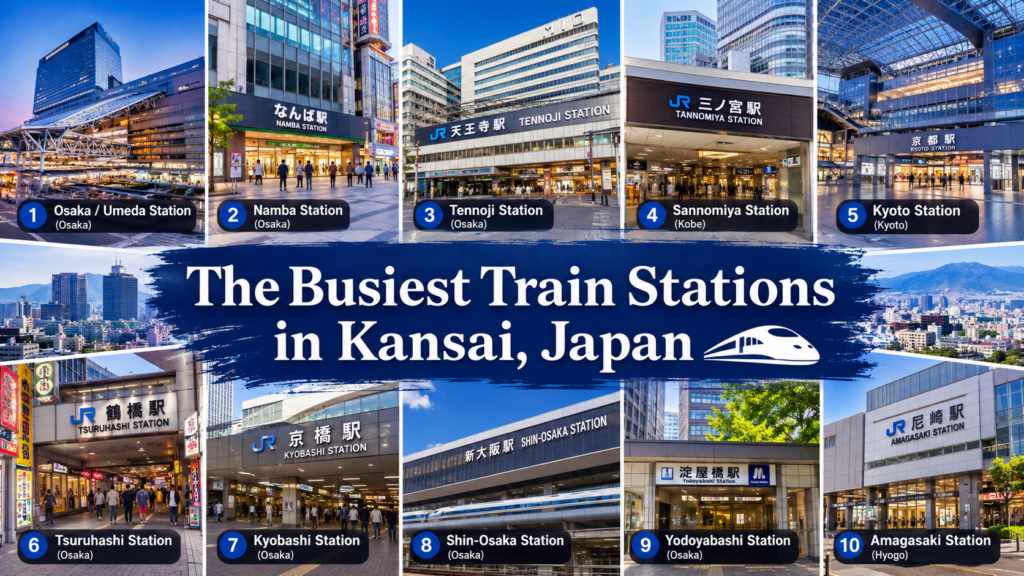
Kansai’s rail network moves an extraordinary number of people every day. Anchored by Osaka’s sprawling Umeda district and stretching out to Kyoto and Kobe, these stations aren’t simply transit points. Many are surrounded by shopping districts, restaurants, offices, hotels, residential neighborhoods, and major tourist attractions.
For people who own property in Japan, or are researching property in Japan, access to a major train station is often an important consideration. Train stations can tell us a great deal about how people move around a city and which areas remain busy with commuters, students, residents, and visitors.
Japan’s population has been declining since 2008, but the decline is not evenly distributed. Rural areas and smaller regional cities have generally experienced greater population losses, while major urban centers continue to attract commuters, students, tourists, and workers.
This makes major railway hubs interesting when looking at property locations. However, station ridership is only one factor among many. Property prices, local demographics, building condition, land availability, zoning, transportation connections, and neighborhood characteristics can all have an impact on a property.
This article isn’t intended to recommend particular stations or locations for investment. Instead, it looks at some of Kansai’s busiest railway stations and the characteristics that commonly make the surrounding areas interesting to property owners and property buyers.
A note about the stations on this list
This list is heavily focused on the Osaka metropolitan area, which is home to several of Kansai’s busiest railway hubs. Six of the ten stations are located in Osaka City, while the others represent major transportation centers in the wider metropolitan area.
Sannomiya represents central Kobe, while Amagasaki sits between Osaka and Kobe. Kyoto Station provides a look at one of Kansai’s other major cities and its important role as a transportation and tourism hub.
This concentration reflects the enormous population and extensive railway network of the Osaka–Kobe–Kyoto metropolitan area. If you’re researching property elsewhere in Kansai, stations in areas such as Nara, Shiga, Wakayama, or northern Kyoto can have very different characteristics and patterns of demand.
The stations below are therefore best viewed as examples of major transportation hubs across the wider Kansai region, rather than a ranking of the best places to own property.
1. Osaka / Umeda Station
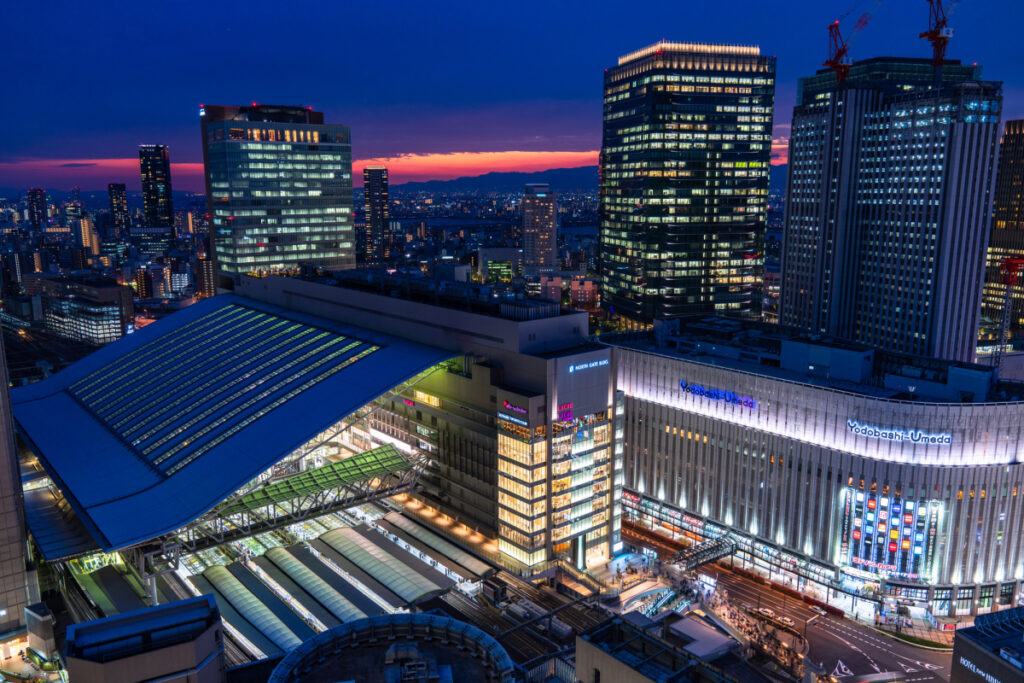
The undisputed giant of western Japan’s rail network, Osaka Station and the surrounding Umeda stations form a huge transportation and commercial complex.
“Umeda” isn’t a single station. JR Osaka Station, Hankyu, Hanshin, and several Osaka Metro stations are connected through an extensive network of underground passages and shopping areas.
Depending on the source and how the various stations are counted, estimates of daily use can reach more than two million passengers, making the Osaka/Umeda area one of the busiest transportation hubs in Japan outside Tokyo.
What makes the area notable for property owners?
Umeda is one of Osaka’s major commercial centers, with large developments such as Grand Front Osaka and continued redevelopment around Osaka Station.
Properties close to the station are generally surrounded by offices, retail, restaurants, hotels, and transportation connections. People researching property in the area commonly look at factors such as walking distance to the station, access to multiple railway lines, the type and age of the building, and whether the property is primarily suited to residential or commercial use.
The neighborhoods one or two stations away can have very different property characteristics from the immediate Umeda district.
2. Namba Station
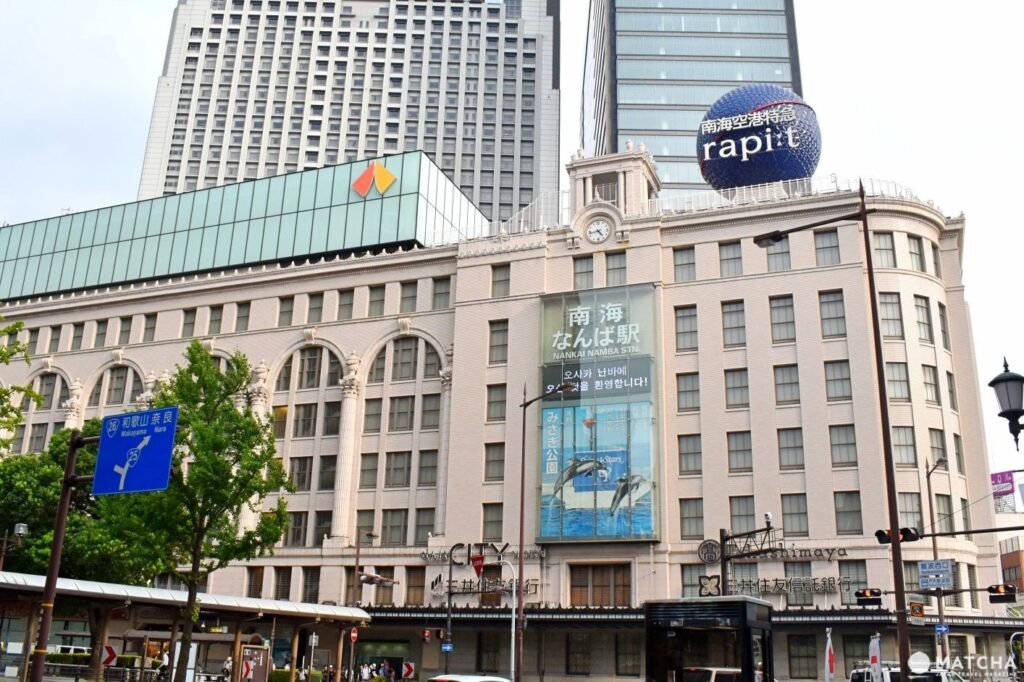
Namba is the heart of Osaka’s Minami district and one of the city’s most recognizable transportation hubs.
The area connects Nankai, Kintetsu, Hanshin, and Osaka Metro services and provides access to some of Osaka’s best-known entertainment and shopping districts.
Around 700,000 passengers use the various Namba-area stations each day, depending on how the different operators and stations are counted.
Namba is also an important gateway to Kansai International Airport through the Nankai railway.
What makes the area notable for property owners?
Namba combines residential, commercial, entertainment, and tourism-related activity.
Dotonbori, Shinsaibashi, Kuromon Market, and numerous restaurants and hotels are located nearby. The area therefore has a very different character from a primarily residential railway station.
People researching property around Namba commonly consider proximity to multiple train lines, tourism activity, noise levels, building regulations, and the intended use of the property.
Properties a short distance away from the busiest entertainment areas can also have considerably different surroundings and characteristics.
3. Tennoji Station
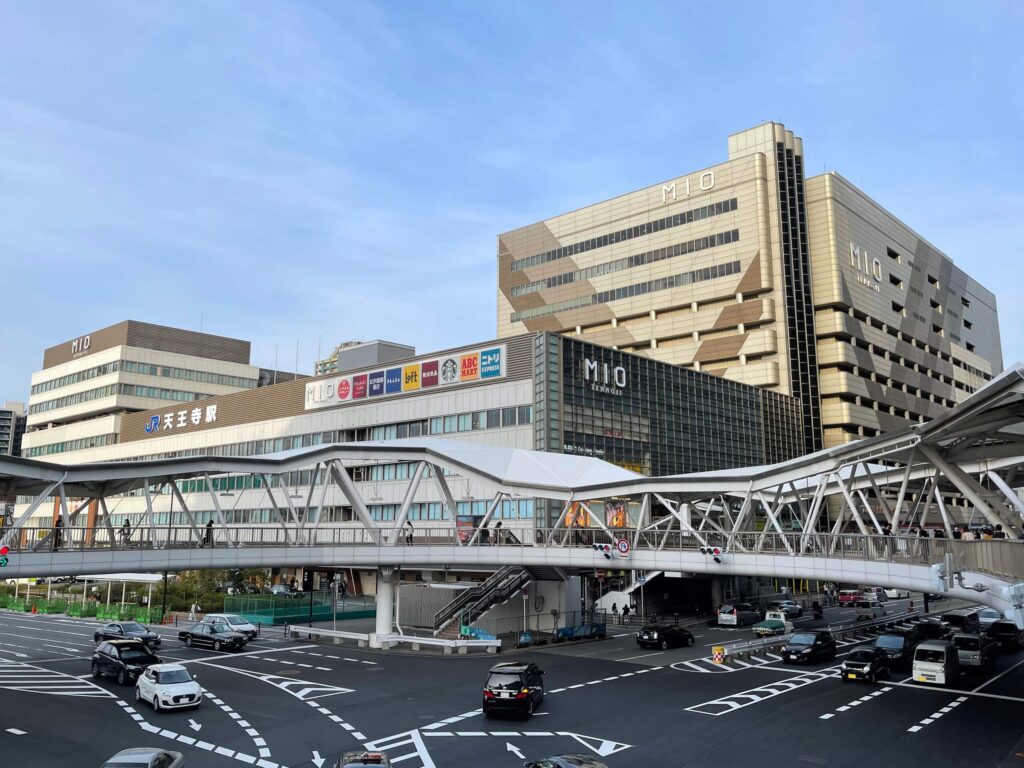
Tennoji is one of southern Osaka’s major transportation hubs, connecting JR lines, Osaka Metro, and Kintetsu services.
The station area handles hundreds of thousands of passengers each day and is home to major developments including Abeno Harukas, one of Japan’s tallest buildings.
The area is also close to attractions including Shitennoji Temple and Tennoji Park.
📍 Google Maps: Tennoji Station
What makes the area notable for property owners?
Tennoji combines offices, shopping, education, tourism, and established residential neighborhoods.
Because of this mixture, the surrounding properties can vary considerably. High-rise developments sit alongside older apartment buildings and traditional residential neighborhoods.
When researching property around Tennoji, people commonly look at the specific neighborhood rather than treating the entire station area as one market. Factors such as proximity to schools, shopping, transportation, building age, and the condition of older properties can all be relevant.
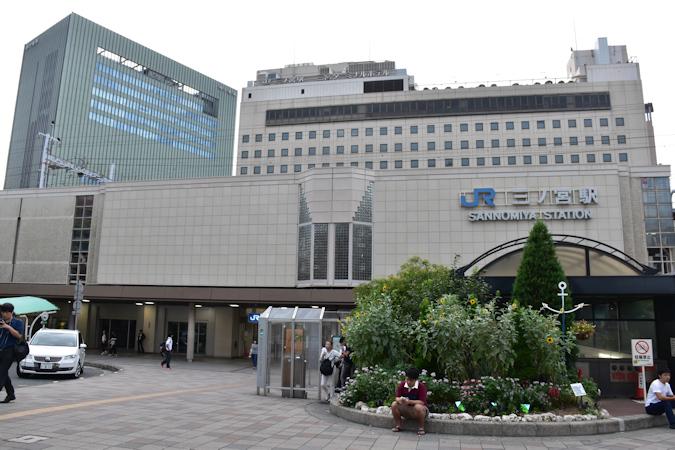
4. Sannomiya Station
Sannomiya is the main transportation hub in central Kobe, connecting JR West, Hankyu, Hanshin, and Kobe Municipal Subway services.
Combined ridership across the various operators is substantial, with JR West alone recording hundreds of thousands of passenger journeys over the course of a year.
Sannomiya is also at the center of Kobe’s main commercial district.
📍 Google Maps: Sannomiya Station
What makes the area notable for property owners?
Sannomiya provides connections across Kobe and toward Osaka, while also serving the city’s major shopping, business, and entertainment districts.
The area surrounding the station includes offices, department stores, restaurants, hotels, apartments, and ongoing redevelopment.
People researching property here commonly examine the specific side of the station, distance from the main commercial areas, access to different railway operators, and the condition and age of surrounding buildings.
Kobe’s property market can also differ considerably between central Sannomiya and the city’s many suburban and hillside neighborhoods.
5. Kyoto Station
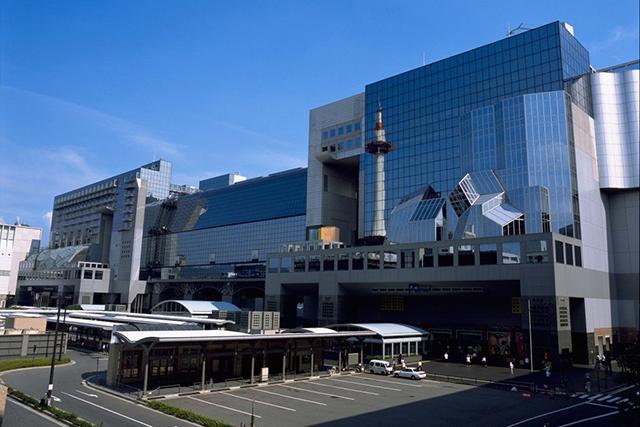
Kyoto Station is one of the largest railway stations in Japan and serves as an important gateway to the city.
JR lines, the Tokaido Shinkansen, Kintetsu Railway, and Kyoto Municipal Subway all serve the station. It is also a major starting point for visitors traveling to Kyoto’s temples, shrines, and other attractions.
The wider station area handles hundreds of thousands of passenger journeys each day.
What makes the area notable for property owners?
Kyoto Station sits at the intersection of residential, commercial, transportation, and tourism activity.
Properties in the area can therefore have very different characteristics depending on their location and permitted use.
Kyoto also has specific planning, zoning, building-height, and accommodation regulations that property owners need to understand. Rules surrounding short-term accommodation and minpaku can be particularly important for anyone considering using a property for tourism.
For property owners, the immediate surroundings of a property can be just as important as its distance from Kyoto Station.
6. Tsuruhashi Station
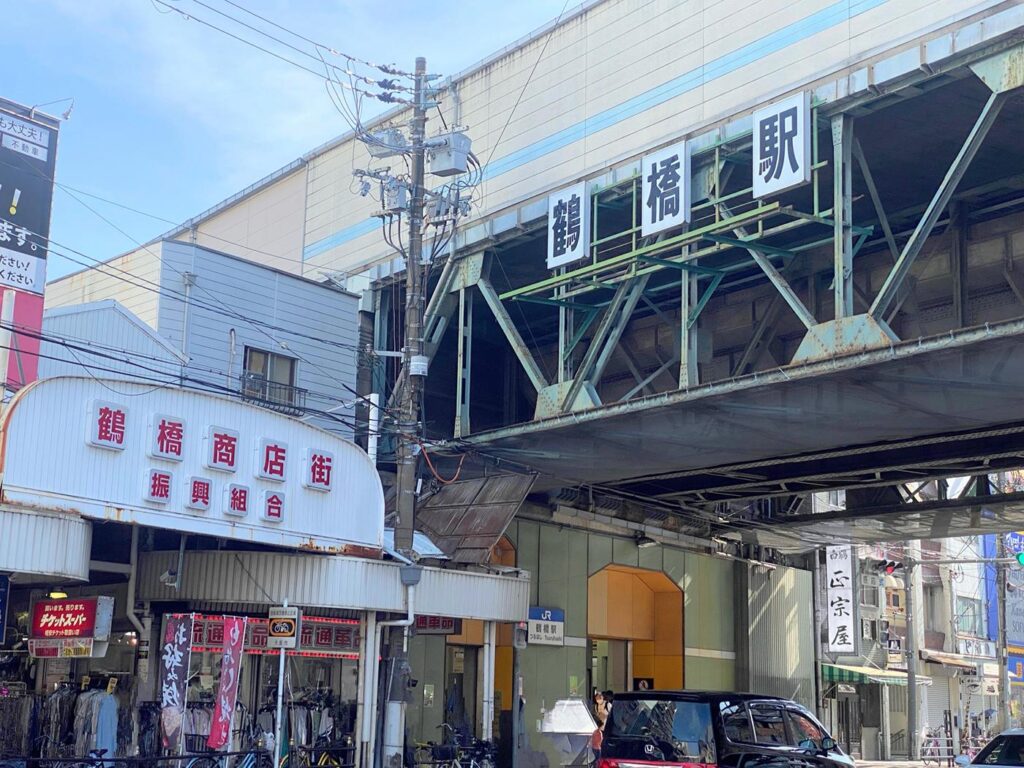
Tsuruhashi is a major three-way railway junction connecting JR West’s Osaka Loop Line, the Kintetsu Nara Line, and Osaka Metro’s Sennichimae Line.
The station handles hundreds of thousands of passenger journeys each day and is particularly well known for the surrounding Korean Town and its many restaurants and food markets.
📍 Google Maps: Tsuruhashi Station
What makes the area notable for property owners?
Tsuruhashi is an interesting example of how a busy transportation hub can have a very different character from central Umeda or Namba.
The surrounding area contains established residential neighborhoods, restaurants, small businesses, older buildings, and specialist shopping streets.
People researching property here commonly consider the age and condition of buildings, neighborhood character, proximity to the station, and access to multiple railway lines.
Older properties can also require closer attention to maintenance, renovation requirements, and building regulations.
7. Kyobashi Station
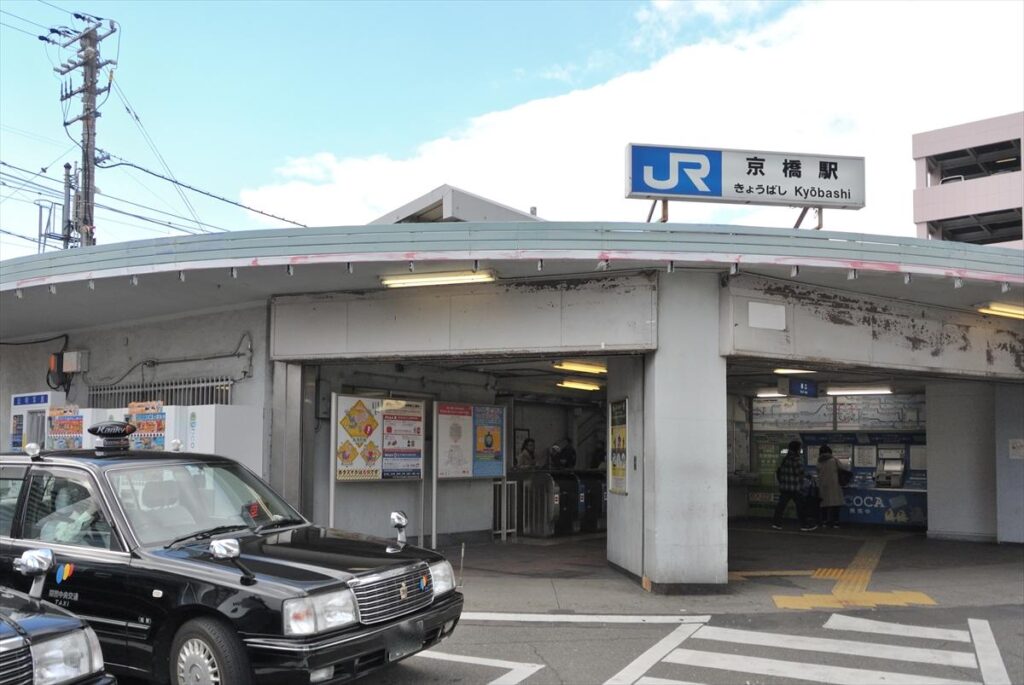
Kyobashi is one of eastern Osaka’s major transportation hubs, connecting JR lines, Keihan Railway, and Osaka Metro.
The station provides connections toward central Osaka, Kyoto, and other parts of the Kansai region and handles hundreds of thousands of passenger journeys each day.
Osaka Castle is also located nearby.
📍 Google Maps: Kyobashi Station
What makes the area notable for property owners?
Kyobashi combines a major commuter hub with shopping, restaurants, entertainment, offices, and residential neighborhoods.
Its connections to both Osaka and Kyoto make transportation access one of the defining characteristics of the area.
Property researchers commonly look at the distance from the station, which railway line provides the most useful connection, surrounding neighborhood conditions, and the balance between commercial and residential activity.
As with many large stations, the character of the neighborhood can change significantly within just a few blocks.
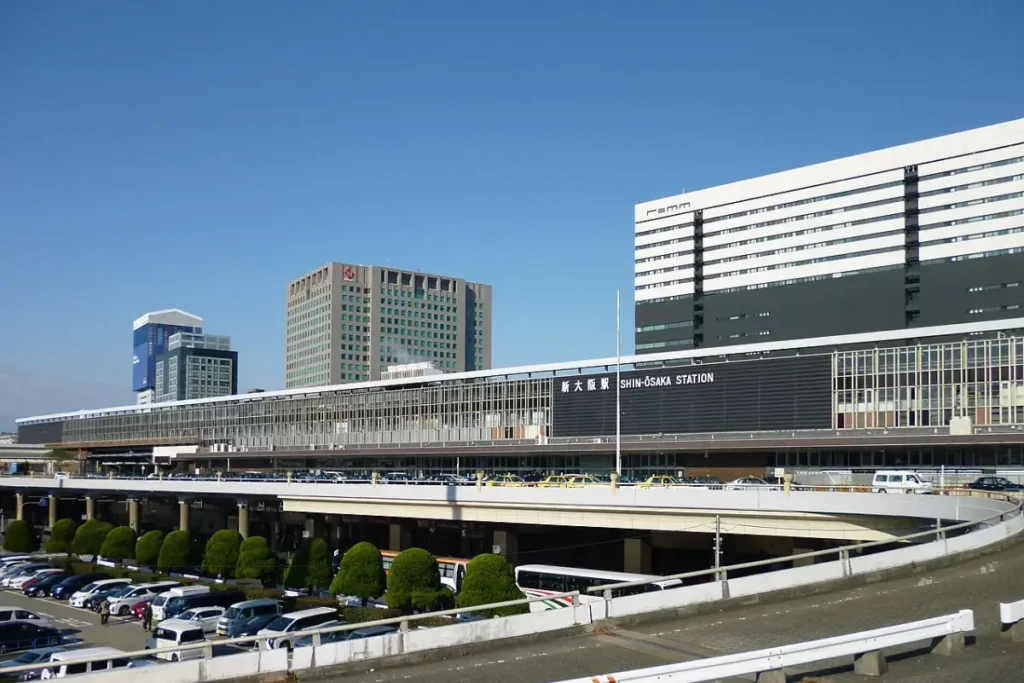
8. Shin-Osaka Station
Shin-Osaka is one of Japan’s most important long-distance railway stations.
It is served by the Tokaido and Sanyo Shinkansen as well as JR West services and Osaka Metro. For many visitors arriving in Osaka by bullet train, Shin-Osaka is their first stop in the city.
Daily usage across the various railway services reaches hundreds of thousands of passenger journeys.
📍 Google Maps: Shin-Osaka Station
What makes the area notable for property owners?
Shin-Osaka has a particularly strong connection to business and long-distance travel.
The surrounding area includes offices, hotels, restaurants, apartment buildings, and commercial properties.
People researching property around Shin-Osaka commonly consider access to the Shinkansen, local railway connections, proximity to business districts, and the potential effects of future transportation and redevelopment projects.
The area immediately surrounding the station can also feel quite different from the residential neighborhoods further away.
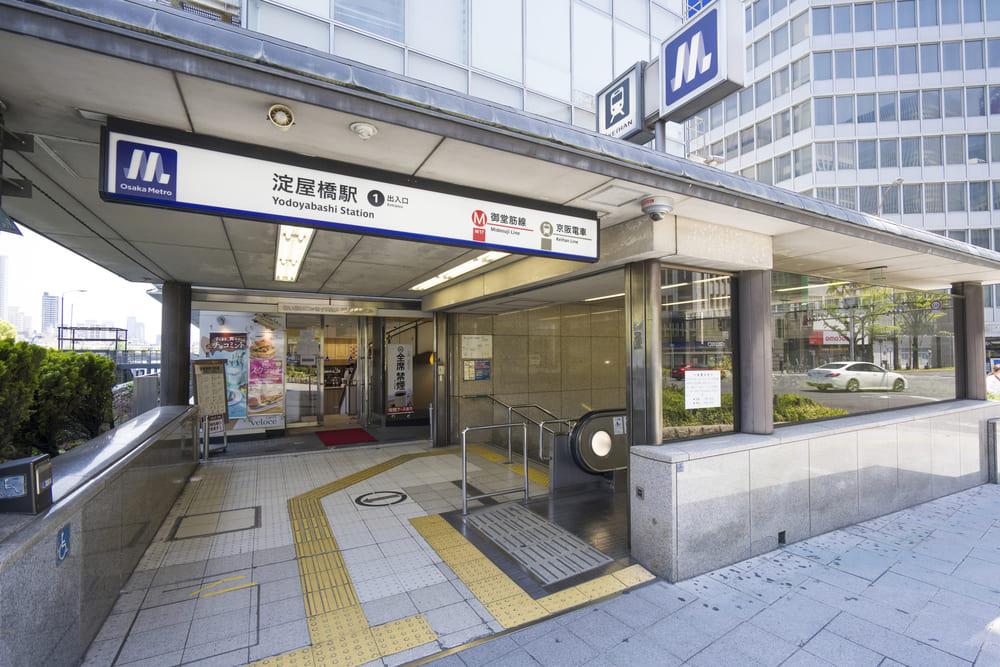
9. Yodoyabashi Station
Yodoyabashi is an important Osaka Metro Midosuji Line and Keihan Main Line interchange located in the heart of central Osaka.
The station sits within the Kitahama and Nakanoshima business districts and provides an important connection between central Osaka and Kyoto.
Combined passenger numbers across the relevant railway services make it one of the city’s significant commuter stations.
📍 Google Maps: Yodoyabashi Station
What makes the area notable for property owners?
Yodoyabashi is strongly associated with Osaka’s traditional business and financial districts.
The surrounding area contains office buildings, restaurants, hotels, luxury residential developments, and historic commercial areas.
For property owners, the distinction between residential and commercial property can be particularly important here. People researching properties commonly examine permitted uses, building specifications, tenant demand, and the relationship between the property and surrounding office districts.
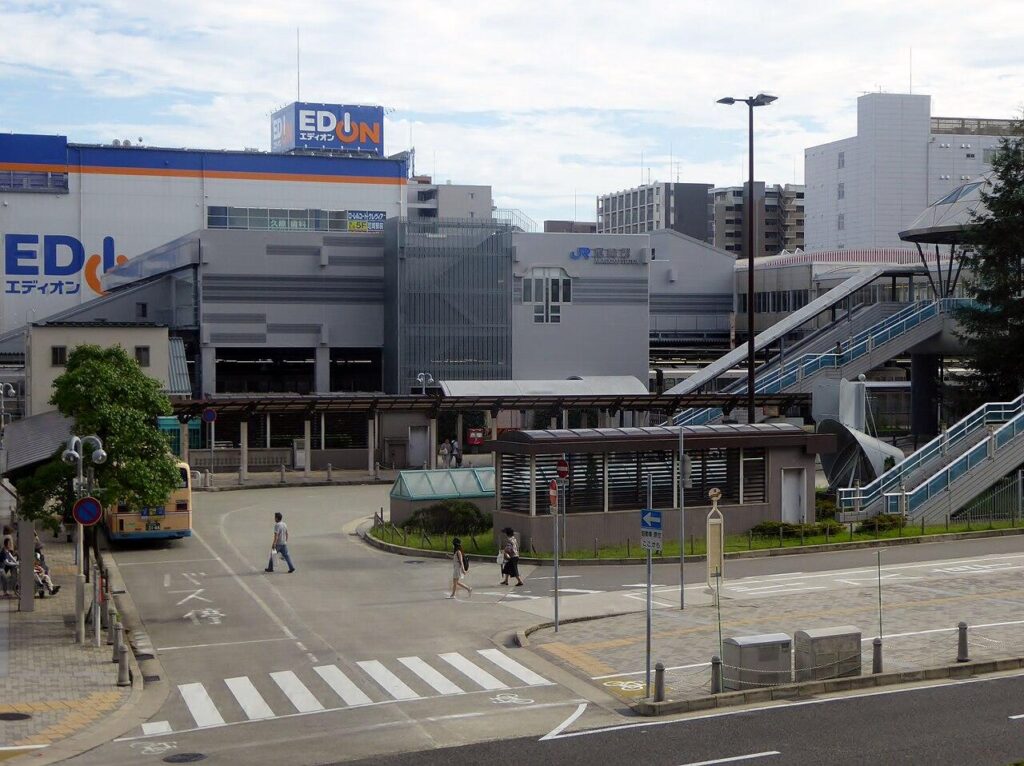
10. Amagasaki Station
Amagasaki is an important transportation hub between Osaka and Kobe.
There are actually two separate stations with the Amagasaki name: one operated by JR West and another operated by Hanshin Electric Railway.
Together, the stations handle more than 100,000 passenger journeys each day.
📍 Google Maps: Amagasaki Station
What makes the area notable for property owners?
Amagasaki benefits from its location between two of Kansai’s largest cities.
The area has undergone significant redevelopment and includes established residential neighborhoods, shopping areas, offices, and newer developments.
For people researching property, transportation connections are one of the area’s notable characteristics. The ability to reach both Osaka and Kobe by train makes the surrounding neighborhoods particularly connected to the wider metropolitan area.
As elsewhere in Kansai, however, properties can vary substantially depending on their exact location, building age, neighborhood, and permitted use.
Looking Beyond the Station
A busy railway station can tell you a lot about an area, but it doesn’t tell you everything.
Two properties located within the same train station area can have completely different characteristics. One might be a modern apartment five minutes from the station, while another could be an older detached house 20 minutes away on foot.
For property owners in Japan, other factors can include:
- The age and condition of the building
- Distance from the nearest station
- Number of railway lines available
- Local population trends
- Nearby schools, shops, and services
- Zoning and permitted property uses
- Flood, earthquake, and other natural-disaster risks
- Local development plans
- Maintenance and renovation requirements
- Local regulations affecting rentals or accommodation
This is particularly important when looking at property from overseas. A property that looks attractive on a map can have maintenance, access, legal, or neighborhood considerations that aren’t immediately obvious from a listing.
What Busy Stations Tell Us
Major railway stations provide an interesting snapshot of how people move around Kansai.
Osaka, Kyoto, Kobe, and their surrounding cities remain highly connected by an extensive railway network. While Japan’s overall population is declining, major transportation hubs continue to serve large populations of commuters, residents, students, and visitors.
For property owners, understanding this transportation network can be a useful part of researching an area. But a busy station should be viewed as one piece of the picture rather than a guarantee of property performance or value.
If you own an older or vacant property in Kansai and live outside Japan, understanding the local area is only the beginning. Regular inspections, maintenance, communication with local contractors, and keeping an eye on problems such as moisture, pests, leaks, and deterioration are also important parts of looking after a property from overseas.