
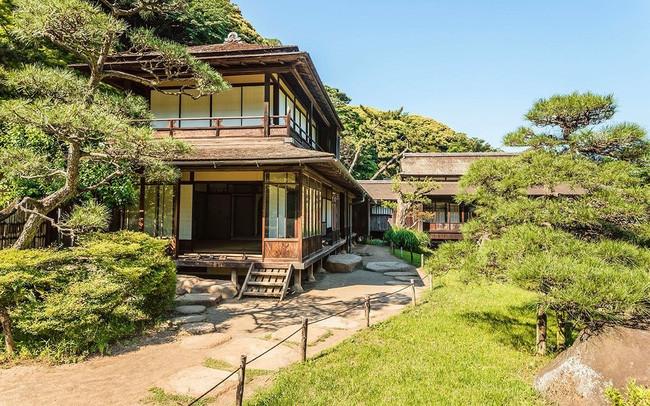
Owning a house in Japan while you’re living somewhere else can work out really well — but only if the house actually gets looked after. An empty home doesn’t take care of itself just because no one’s living in it.
Here’s the thing about vacant houses: they can look completely fine the day you leave, and then quietly fall apart over the following months. A gutter clogs up. A little water starts getting under the roof tiles. Mold takes hold in a closed-up room. The garden grows wild. None of it looks urgent at first. But give it enough time, and that small stuff can turn into a genuinely expensive repair bill.
So, how often should you actually be checking on an empty house in Japan?
For most vacant properties, once a month is a reasonable starting point. That said, the right schedule really comes down to the age of the house, its condition, and where it is.
Why Bother With Regular Inspections at All?
The real risk with an empty house isn’t that something might go wrong — it’s that nobody is there to notice when it does.
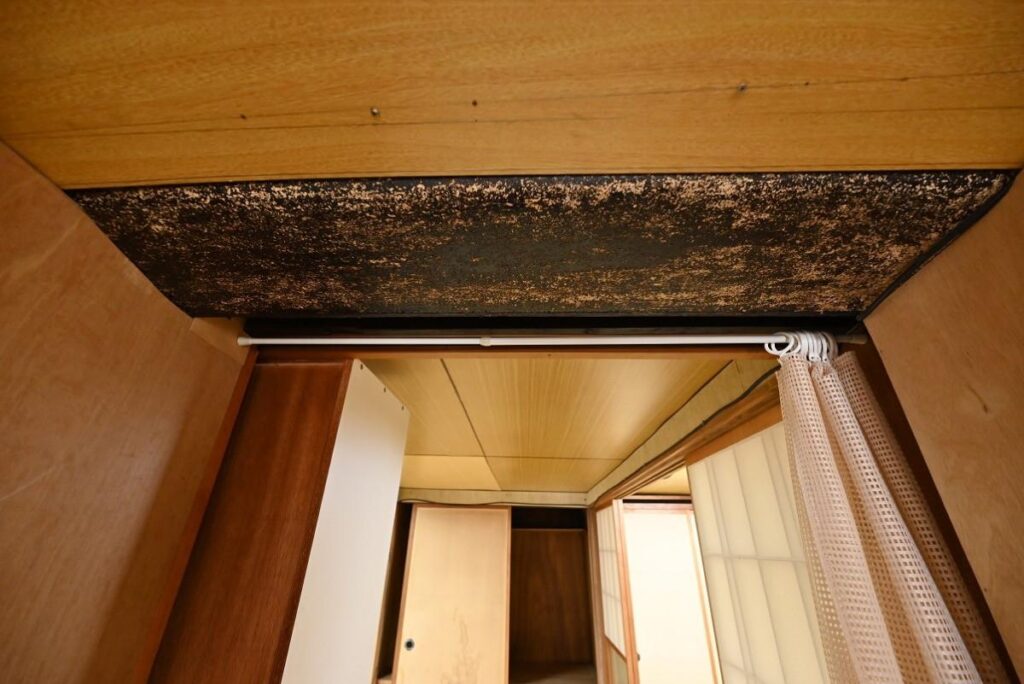
Take a small roof leak as an example. If you’re living in the house, you’d probably notice the musty smell or a stain creeping across the ceiling within a few days. If the house is empty, that same leak might just keep dripping away for weeks before anyone’s the wiser.
Mold works the same way. So do plumbing issues, insects, and storm damage.
This matters even more for akiya (空き家) and older Japanese homes. A lot of these properties have already sat empty for years and may already be dealing with moisture problems, aging materials, or a garden that’s taken over. If you’re new to the term akiya, our guide Akiya Explained: Japan’s 9 Million Vacant Homes covers the background.
Does It Really Need to Be Monthly?
Not every house needs the exact same schedule. A newer condo in solid condition might only need the occasional check-in. An old wooden house tucked under a bunch of trees, on the other hand, probably deserves a monthly look.
That said, monthly inspections tend to hit a good balance between cost and peace of mind for many vacant homes. A visit every month means someone notices things changing before they spiral into a real problem — and it also builds up a record of how the property’s holding up over time.
The frequency matters less than the consistency. What counts is that someone is checking the property on a schedule, every time.
What Actually Gets Checked
A routine inspection isn’t meant to be a full building survey every single time. It’s really just about spotting what’s changed since the last visit.
Outside, that means a look at the roof, gutters, windows, exterior walls, and garden. Inside, it’s about checking for water damage, mold, strange smells, pests, or anything unusual happening to the ceilings and walls.
Photos make a huge difference here, especially if you’re overseas. When you get photos from every visit, you can actually compare the property month to month. A new stain on the ceiling or a shifted roof tile is a lot easier to catch when you’ve got last month’s photo sitting right next to this month’s. It also makes life easier if you ever need to explain the issue to a contractor.
Japan’s Seasons Change the Equation
A vacant house doesn’t face the same risks all year round.
Summer brings humidity, and with it, the conditions mold loves — especially in rooms that stay closed up. Gardens can also get away from you surprisingly fast in the summer heat.
Then there’s typhoon season. A house that looked perfectly fine the week before a big storm might come out the other side with damaged roof tiles, broken windows, a fallen tree, or water that’s gotten in somewhere it shouldn’t.
Winter has its own set of challenges too, particularly in areas that see freezing temperatures or heavy snow.
Because of all this, it’s worth layering seasonal checks on top of your regular schedule. If your property normally gets inspected once a month, it’s still a good idea to add an extra visit after a major typhoon or other severe weather. We go into more detail on this in How to Prepare an Empty Japanese House for Typhoon Season.
A Word on Mold and Termites
Two things deserve special attention in older, vacant Japanese houses: moisture and pests.
Japan’s humidity gives mold plenty of opportunity to take hold, especially in a house that’s been closed up for a while. Regular visits help catch the early signs before things get out of hand.
Termites are the other big concern, particularly for older wooden properties. A routine visit won’t replace a proper pest inspection if you’re already seeing signs of an infestation — but it can help flag changes worth looking into further. Our article Why Termites Are a Serious Concern for Akiya Owners covers this in more detail.
What If You’re Overseas?
This is exactly the situation where regular inspections earn their keep.
If you’re living in another country, you can’t just pop over whenever something might be wrong. Even owners who make it to Japan a few times a year still end up with long stretches where nobody’s checking the house.
Having someone local means you find out about problems while they’re still small and manageable. A local property manager can also line up repairs, deal with contractors directly, and check the house after a storm or any other unexpected event.
For an overseas owner, that kind of local presence does something technology can’t fully replace. Smart cameras and humidity sensors are useful tools, sure, but they won’t tell you a tree came down across the driveway, that a gutter’s clogged, or that a roof tile has slipped out of place. Someone still has to actually walk the property and look.
A Simple Plan for Owners Living Overseas
If you own an empty house in Japan, here’s a reasonable approach:
- Regular inspections — monthly, for most vacant or older properties
- Seasonal attention — keep an eye on humidity, the garden, winter weather, and typhoon risk
- Post-event checks — arrange an inspection after any major typhoon, earthquake, flood, or similar event
- Keep records — save photos and notes from every visit so you can track how the house is changing
Your particular property might need more attention than this, or less, depending on its condition and location. But having a consistent plan will always beat the “check it whenever I happen to be in Japan” approach.
An Empty House Still Needs Someone Watching Over It
An empty Japanese house doesn’t have to turn into a neglected one. Regular inspections catch the small stuff before it becomes a major repair, and photos and reports let overseas owners stay in the loop even from thousands of kilometres away.
At Property Management Kyoto, we help owners based overseas take care of properties across Kyoto, Shiga, and the wider Kansai region. Our services include regular inspections, photo reports, seasonal checks, garden monitoring, storm inspections, and coordinating maintenance when it’s needed.
If you own an akiya, a vacant house, or a second home in Japan and want someone local keeping an eye on it, learn more about our property management services or get in touch to talk about your property.
Related Articles
- How to Manage a House in Japan When You Live Overseas
- Akiya Explained: Japan’s 9 Million Vacant Homes
- How to Prepare an Empty Japanese House for Typhoon Season
- Why Checking for Termites (Shiroari) Is Essential for Akiya Owners in Japan
A house may be empty. It shouldn’t be forgotten.